





There is a strange kind of comfort in knowing that some people have enough free space in their minds to keep your name alive, even when you are not sitting at their table, not standing in their circle, not explaining yourself, and not asking to be included in their conversations.
At first, it may sting because gossip often arrives wrapped in half-truths, cheap curiosity, and the small pleasure some people take in discussing someone else’s life, but after a point, you begin to see it differently.
You realise that people do not spend their energy talking about someone who means nothing to them, and they do not keep returning to a story unless something about that person disturbs, fascinates, threatens, or interests them.
Maya learned this lesson on an ordinary afternoon that did not look like it would teach her anything important.
She was walking through the old public garden near her office, the same garden she crossed every evening after work because it saved her ten minutes and gave her a small break from the noise of traffic. It was the kind of place where retired men discussed politics with the confidence of ministers, children chased each other around flower beds, couples pretended not to be seen, and office workers sat on benches with tea, phones, and tired faces.
Maya usually liked that walk because no one expected anything from her there. She could simply be another person moving through the city, carrying her handbag, her thoughts, and whatever disappointment the day had left behind.
That afternoon, she noticed two women from her office sitting on a bench near the rose bushes. They were not close friends, but they knew her well enough to smile in meetings and ask polite questions near the coffee machine. Maya was about to wave when she heard her name.
It was not spoken with affection.
She slowed down without meaning to, and before she could decide whether to walk away or announce herself, she heard enough to understand the flavour of the conversation. They were talking about her recent promotion, her clothes, her confidence in meetings, the way senior leaders seemed to listen when she spoke, and the possibility that she had probably “managed people well” to get ahead. One of them laughed, not loudly enough to attract attention, but loudly enough for Maya to feel it in her chest.
For a few seconds, she stood there like a person who had accidentally opened the wrong door and seen a part of life she was not supposed to see. Her first feeling was anger, then embarrassment, then a familiar heaviness that made her question whether she had done something wrong by simply progressing.
She wanted to walk up to them and ask why her success needed an explanation beyond hard work, late nights, failed attempts, difficult conversations, and years of staying steady when nobody clapped. She wanted to defend herself, not because she owed them proof, but because being misunderstood can make even a strong person feel temporarily foolish.
Instead, she kept walking.
That evening, she went home with their words sitting beside her like unwanted guests. She made tea and forgot to drink it. She opened her laptop and closed it again. She replayed the conversation in her head, each sentence sounding sharper than it probably had been.
The most painful part was not that they had spoken about her. People talk. That is not news. The painful part was that they had reduced her journey into something small, as if her growth was an accident, her confidence was arrogance, and her promotion was some clever trick rather than the result of years of persistence.
Her mother called later that night, as mothers often do when the heart is already full.
Maya tried to sound normal, but mothers have a way of hearing the sentence behind the sentence. After a few minutes, her mother asked, “What happened?”
Maya told her everything, expecting sympathy, outrage, and perhaps the old advice to stay away from such people. Her mother listened without interrupting, then gave a small laugh that annoyed Maya at first.
“You should thank them,” her mother said.
“Thank them?” Maya replied, almost offended.
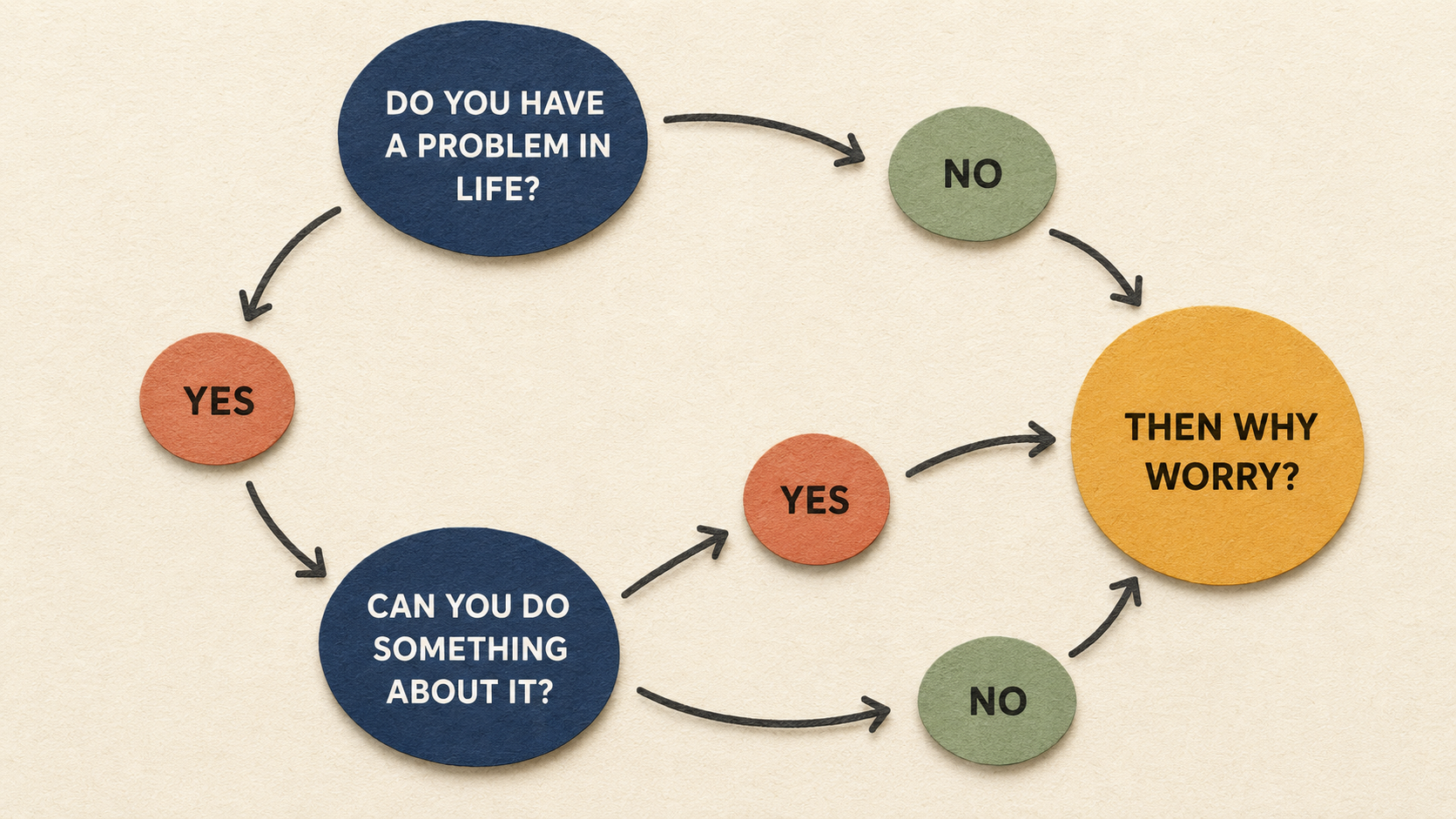
“Yes,” her mother said. “Not everyone can set aside their own problems just to focus on yours.”
Maya did not laugh immediately. The sentence felt too simple for the size of her hurt, but it stayed with her. It did not excuse the gossip, and it did not make unkindness beautiful, but it shifted the weight of the moment. Her mother was not asking her to become grateful for disrespect. She was asking her to see the absurdity of allowing someone else’s small conversation to become the headline of her life.
Over the next few days, Maya began to understand something she had ignored for years. Gossip often says more about the speaker than the subject. When people discuss your life without knowing your struggle, they reveal the limits of their own imagination.
When they turn your progress into suspicion, they show that your growth has reached a place their comfort cannot process. When they reduce your discipline to luck, they are often trying to protect themselves from the uncomfortable truth that effort, courage, and consistency can create results they have not yet chosen to pursue.
This does not mean every critic is jealous, and it certainly does not mean every unpleasant comment should be dismissed without thought. Sometimes criticism carries information. Sometimes people notice something you genuinely need to improve.
A wise person must know the difference between feedback and gossip. Feedback comes with responsibility, context, and usually some desire for your growth. Gossip comes with performance, entertainment, and a strange hunger to pull someone’s life into pieces while offering nothing useful in return.
Maya had received real feedback before, and it had not felt like this. Real feedback had helped her become better. It had been difficult, even uncomfortable, but it had direction. It told her where to improve, what to change, and how to think differently. The conversation in the garden had no such purpose. It was not about helping her. It was about making her smaller in a place where she could not answer back.
Once she saw that clearly, the hurt lost some of its power.
She started noticing how much time people spend discussing lives they have no intention of understanding. Someone buys a house, and people calculate how they afforded it. Someone changes jobs, and people invent drama behind the decision. Someone looks happier, and people question whether it is real. Someone becomes successful, and people search for shortcuts in the story because accepting the full truth would require them to confront their own excuses.
There is a particular kind of discomfort that other people’s progress creates. It reminds everyone watching that life is moving, choices are being made, and some people are building while others are only commenting. This is why gossip can become such an easy shelter. It allows people to feel involved without doing any work. It gives them the pleasure of judgement without the burden of responsibility. They can sit safely on the side and narrate someone else’s journey, as if commentary is the same as courage.
Maya decided not to confront the two women. Not because she was afraid, and not because she believed silence always makes a person noble, but because she finally understood that every battle does not deserve attendance. Some situations are not invitations to defend yourself. They are opportunities to protect your peace, observe character, and keep moving with more intelligence than before.
At work, she remained professional. She did not become cold, dramatic, or visibly offended. She answered emails, joined meetings, presented her ideas, and continued doing what had earned her respect in the first place. But something had changed internally. She no longer confused politeness with closeness. She no longer assumed every smile carried goodwill. She became more careful with access to her personal life, not in a bitter way, but in the way a person becomes careful after learning that not everyone deserves the full version of them.
That is one of the hidden gifts of gossip. It teaches you where not to place your trust.
There are people who enjoy your company only when your life feels equal to theirs, and the moment you grow, heal, earn more, look happier, become confident, or choose yourself, they begin searching for flaws to restore their comfort. Their gossip is not always hatred. Sometimes it is confusion. Sometimes it is insecurity. Sometimes it is the disappointment of watching someone else become what they postponed becoming. Whatever the reason, it is still not your burden to carry.
The mistake many of us make is trying to correct every false story about us. We want to reach into every conversation, repair every misunderstanding, and convince every person that we are not what they think. But life is too short for that kind of emotional administration. You cannot spend your days issuing clarifications to people who were committed to misunderstanding you before the conversation even began. Some people do not want truth. They want material. Once you realise that, you stop feeding the performance.
A person who is truly building a life cannot afford to become the security guard of their own reputation at every gate. Your work, your conduct, your consistency, and your results will speak in places where your explanations cannot reach. The people who know you properly will not need a defence document. The people who do not know you and still choose judgement were never waiting for facts anyway.
That does not mean gossip never hurts. It does. Anyone pretending otherwise is probably trying too hard to sound wise. It hurts to be reduced. It hurts to be misrepresented. It hurts when people take a tiny piece of your life and build a cheap story around it. It hurts when someone you treated with basic respect turns your name into entertainment. Human beings are not machines. We can understand something logically and still feel the bruise emotionally.
But the healing begins when you stop seeing gossip as a verdict.
It is noise, not judgement. It is opinion, not evidence. It is often a reflection of someone else’s inner weather, not a report on your worth. Once you learn this, you begin to take your name back from other people’s mouths. You begin to say, even if only to yourself, “They can discuss me, but they cannot define me.”
Maya carried that thought for months.
Her promotion settled into routine. The same people who had questioned her began asking for her input. Some even praised her in rooms where senior managers were present, because life has a humorous way of making people applaud in public what they criticised in private. Maya did not become arrogant about it. She simply noticed. She learned that public approval and private opinion are often poor measures of truth. People are complex. They can resent you and admire you at the same time. They can gossip about your growth and still benefit from your competence. They can dislike your confidence while depending on your clarity.
One day, much later, one of those women came to Maya for advice about applying for a better role. She looked nervous, almost embarrassed, and Maya could see that she was trying to measure whether the past had been forgotten. Maya could have been sharp. She could have used the moment to remind her of the garden conversation. She could have made her uncomfortable in the name of honesty.
Instead, Maya helped her.
Not because she was weak. Not because she wanted approval. Not because she believed everyone deserved unlimited kindness. She helped because she refused to let someone else’s smallness decide the size of her own character. There is power in choosing who you want to be even after people show you who they are. There is maturity in remembering without becoming poisoned. There is dignity in setting boundaries without turning bitter.
That evening, as Maya walked through the same garden again, she thought about how much she had changed since the day she overheard her name. The place looked ordinary, but she no longer felt like the same person. She had learned that peace is not the absence of people talking. People will always talk. Peace is the ability to keep walking without handing them the steering wheel of your emotions.
The truth is, gossip follows movement. It follows growth, difference, courage, beauty, success, recovery, confidence, and independence. People rarely gossip about a life that gives them nothing to compare, question, envy, analyse, or misunderstand. So when your name travels into rooms where you have not entered, do not rush to feel defeated. It may simply mean that your life has become noticeable.
That does not make gossip right, but it does make it less powerful.
You can appreciate the strange comedy of it without accepting the cruelty behind it. You can smile at the fact that someone paused their own responsibilities to hold a meeting about your choices. You can let it remind you that your existence has weight, your progress has visibility, and your journey is stirring something in people who may never admit it openly.
But after that small smile, return to your life.
Return to your work. Return to your healing. Return to your plans, your prayers, your discipline, your family, your dreams, your small routines, and the future you are building with hands that no one else can see. Do not abandon your path to chase whispers. Do not become a full-time lawyer for your own image. Do not shrink to make yourself less discussable, because people who are committed to talking will always find a topic.
Let them gossip if they must.
Let them misread chapters they were never invited to edit. Let them create theories about doors they did not see you knock on, sacrifices they did not watch you make, and storms they did not help you survive. Let them spend their afternoons placing your life under their little microscope while you continue becoming someone their opinions cannot reach.
In the end, the best answer to gossip is not revenge, explanation, or dramatic silence.
The best answer is a life that keeps growing.
A life so focused, grounded, and full that the noise around it becomes background sound. A life where you are too busy becoming better to keep auditing every conversation about you. A life where your peace is no longer available for public voting.
So appreciate those who gossip about you, not because they deserve your gratitude, but because they remind you of something important. Your life is moving loudly enough to be noticed. Your growth is visible enough to disturb old expectations. Your presence is strong enough to remain in rooms after you leave.
And not everyone has that kind of impact.