

Most people do not stay broke because they are lazy, careless, or incapable of earning more money. Many people work hard, wake up tired, pay bills on time, avoid unnecessary drama, and still feel as if their financial life is standing in the same place year after year.
They earn, they spend, they save a little, something unexpected happens, and then they start again from almost the same point.
It becomes frustrating because effort is there, intention is there, and the desire for a better life is definitely there, yet the results do not match the struggle.
The uncomfortable truth is that money problems are not always income problems. Sometimes they are thinking problems, habit problems, learning problems, environment problems, or patience problems.
A person can earn a decent salary and still feel broke because their money has no direction, their skills are not growing, their network is weak, and their financial decisions are driven by fear, comparison, or impatience.
At the same time, another person with a similar income may slowly build wealth because they understand how to convert money into assets, effort into skill, relationships into opportunities, and time into compounding progress.
Being broke is not only about the number in your bank account. It is also about how you behave when you receive money, what you do when you have free time, who you learn from, what kind of risks you avoid, and whether you are willing to delay comfort for a bigger future.
Nobody becomes financially secure by accident. Wealth is usually the result of repeated choices that look ordinary in the moment but become powerful over time.
You Save Money, But You Do Not Make It Grow
Saving money is important, and anyone who says saving does not matter is probably trying to sell you something. Without savings, one emergency can push you into debt, stress, or dependency on others.
Savings give you breathing space, dignity, and the ability to make decisions without panic. However, saving alone is not the same as building wealth, because money that only sits in a low-interest account may not grow fast enough to protect you from rising prices, lifestyle costs, and future responsibilities.
Many people feel proud that they save a little every month, and they should feel proud because discipline is not easy. The problem starts when saving becomes the final destination instead of the first step. Money needs a purpose beyond survival.
Some of it should protect you, some of it should improve your earning power, and some of it should work toward long-term growth through assets, business ideas, education, or other suitable opportunities. When money only waits in a bank account, it may feel safe, but safety without growth can slowly become another form of financial stagnation.
This does not mean everyone should rush into risky investments without knowledge. That is how people lose money and then blame investing itself. The smarter approach is to learn before you invest, start with what you understand, avoid anything that promises unrealistic returns, and treat investing as a long-term habit rather than a quick escape.
Wealth is rarely built by one dramatic financial move. It is usually built by consistent allocation, steady learning, and the ability to let time do its work.
You Choose Comfort Over Skills
Comfort is one of the most expensive things in life, although it does not always look expensive at first. It comes disguised as one more episode, one more weekend wasted, one more year without learning anything new, one more excuse that life is too busy.
Rest is necessary, and nobody can grow by burning themselves out, but comfort becomes dangerous when it becomes your default response to every opportunity that requires effort.
Skills are the bridge between where you are and where you want to be financially. Your income is often linked to your ability to solve problems that other people value. If your skills remain the same for years while your industry changes, your earning power slowly becomes weaker, even if you are still working hard.
This is why some people spend years in the same role, doing the same type of work, wondering why their salary barely moves, while others invest evenings, weekends, and small pockets of time into learning skills that increase their value.
The difficult part is that skill-building is usually boring before it becomes rewarding. Learning a new tool, improving communication, studying sales, understanding finance, building technical ability, or becoming better at leadership does not always feel exciting in the beginning.
There is no applause when you are practicing after work, reading when others are scrolling, or failing at something new while your ego begs you to return to what feels familiar. But the market does not pay you for staying comfortable. It pays you for capability, judgment, reliability, and the ability to create value.
High-income skills do not appear overnight. They are built through repetition, feedback, mistakes, and deliberate practice.
The person who keeps choosing small discomfort today usually gets bigger choices tomorrow. The person who avoids discomfort often ends up facing a different kind of discomfort later, the kind that comes from limited options, rising bills, and regret.
You Work Hard, But You Do Not Learn Enough
Hard work matters, but hard work without learning can trap you in the same financial lane for years. Many people confuse being busy with making progress.
They work long hours, answer messages, attend meetings, complete tasks, and come home exhausted, yet their knowledge, judgment, and market value do not significantly improve. They are spending energy, but they are not upgrading the engine.
There is a big difference between experience and repeated routine. Ten years of growth is powerful, but one year of learning repeated ten times is not the same thing.
Some people have been working for a decade, but they have not deeply studied their industry, improved their decision-making, learned new tools, understood money better, or developed the confidence to pursue better opportunities.
They are not lazy. They are simply stuck in execution mode, where every day is about completing tasks rather than becoming more valuable.
Learning changes the quality of your work and the direction of your career. When you read, study, ask better questions, observe successful people, and understand how your industry is changing, you start seeing opportunities before others notice them. You become more useful in conversations, more confident in decisions, and more prepared for roles that require judgment rather than only effort. This matters because money usually flows toward people who can solve larger problems.
The person who learns consistently does not depend only on salary increments or luck. They create more ways to grow. They may negotiate better, move into a better role, start a side project, understand investments, improve a business idea, or simply make fewer costly mistakes.
Learning is not only about earning more. It is also about wasting less time, avoiding bad decisions, and recognizing good opportunities when they appear.
You Compare Yourself Instead of Building Relationships
Comparison is one of the easiest ways to waste emotional energy. You see someone doing better, earning more, buying a house, building a business, travelling, or living the kind of life you want, and instead of learning from them, you start feeling behind. That feeling can become jealousy, resentment, or self-doubt. None of these emotions pay bills, create opportunities, or improve your skills.
Successful people are not always your competition. Many times, they are a source of information, perspective, and opportunity. The person you envy may know something you need to learn. They may have taken risks you avoided, built skills you postponed, formed relationships you ignored, or stayed consistent when you quit too early. When you only compare, you suffer. When you connect, you learn.
Networking is often misunderstood. It is not about using people, pretending to be friendly, or collecting contacts like trophies. Real networking is about building genuine professional and personal relationships based on value, curiosity, respect, and mutual support. It can be as simple as asking thoughtful questions, appreciating someone’s work, helping where you can, staying in touch, and being visible in the right circles. The right people can introduce you to opportunities that job boards will never show you, teach you lessons that courses cannot capture, and challenge you to think bigger than your current environment allows.
Your environment shapes your financial future more than most people admit. If everyone around you thinks small, spends carelessly, avoids learning, and laughs at ambition, you will need extra strength to grow.
If you spend time with people who build, invest, learn, and take responsibility, your standards naturally rise. You start seeing what is possible, and once your mind accepts a bigger possibility, your actions begin to change.
You Want Money Fast, But Wealth Rewards Patience
The desire to make money quickly is understandable, especially when bills are rising and life feels expensive. Nobody wants to wait forever for financial relief. The danger is that impatience makes people vulnerable.
When you desperately want fast results, you are more likely to believe shortcuts, scams, fake gurus, risky schemes, and unrealistic promises. You may jump from one idea to another without giving anything enough time to work.
Wealth usually grows slowly at first, then faster later. This is one of the hardest truths to accept because the early stage can feel painfully unimpressive. You save a small amount, learn a new skill, make a tiny investment, build a habit, improve your network, and nothing dramatic happens immediately. It feels as if your effort is disappearing into the air.
But progress often works beneath the surface before it becomes visible. Skills compound, money compounds, trust compounds, reputation compounds, and discipline compounds.
Most people quit during the boring middle.
They start learning something, do it for a few weeks, see no immediate reward, and move on.
They start saving, but one unexpected expense discourages them.
They start a side project, but early results are small, so they assume it is not worth it.
They start investing, but short-term movement scares them.
The people who eventually succeed are not always the smartest. They are often the ones who keep going after the excitement has disappeared.
Patience does not mean waiting passively. It means working with a longer view. It means doing the right things long enough for them to matter. It means understanding that a better financial life is not built through one lucky month, but through years of improved decisions. Fast money may solve a temporary problem, but patient wealth changes your future.
You Want Results Without Risk
Many people want a better life, but they want it without uncertainty, discomfort, rejection, embarrassment, or failure. They want higher income without learning new skills, better opportunities without meeting new people, business success without testing ideas, investment growth without market movement, and career progress without difficult conversations. This is natural because risk feels uncomfortable, but avoiding all risk is also a risk.
Playing it too safe can become financially expensive. Staying in a role where you are no longer growing may feel secure, but it can limit your future earning power. Keeping all your money idle may feel safe, but it may reduce your ability to build wealth.
Avoiding new people may protect you from rejection, but it also blocks access to opportunity. Refusing to try anything new protects your ego, but it keeps your life within the same boundaries.
The answer is not reckless risk. Reckless risk is gambling with your future, and it usually comes from ego, pressure, or lack of knowledge. The better approach is calculated risk.
That means understanding the downside, starting small, learning before committing heavily, asking for advice, building safety margins, and making decisions that can improve your life without destroying your stability.
Applying for a better role is a calculated risk. Learning a valuable skill is a calculated risk. Starting a small business on the side is a calculated risk. Investing gradually after proper education is a calculated risk. Having a difficult conversation about salary or growth is also a calculated risk.
Every meaningful achievement requires some level of uncertainty. The person who refuses uncertainty often refuses growth without realizing it. Money tends to move toward people who can handle uncertainty with discipline, not people who avoid every situation that feels uncomfortable.
The Real Reason People Stay Broke
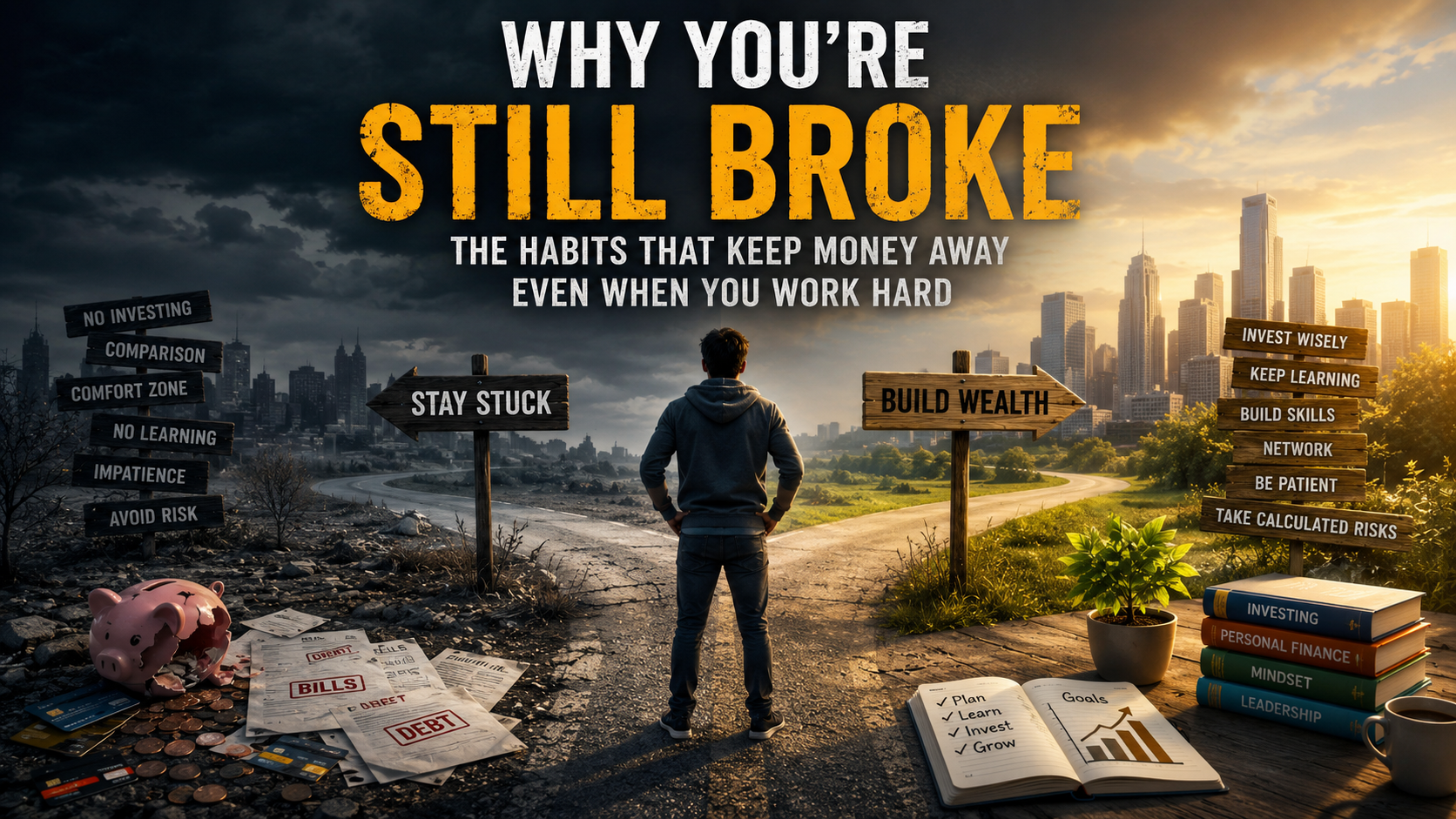
The real reason many people stay broke is not one single mistake. It is a pattern of small choices that keep repeating. They save but do not grow their money. They work but do not upgrade their skills. They stay busy but do not learn deeply. They compare instead of connecting. They want results quickly but abandon the process too early. They want a better life but avoid the risks required to build it.
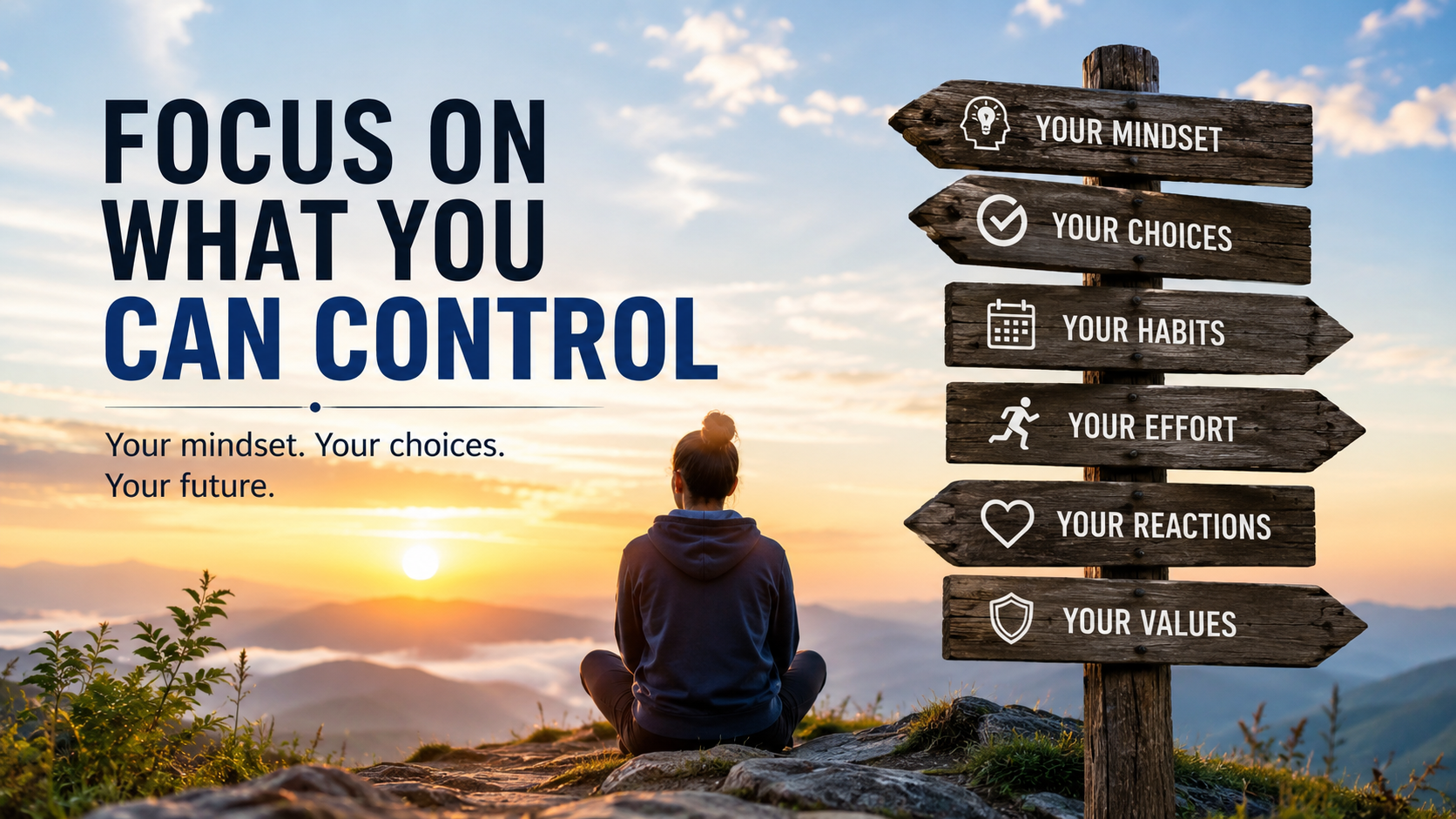
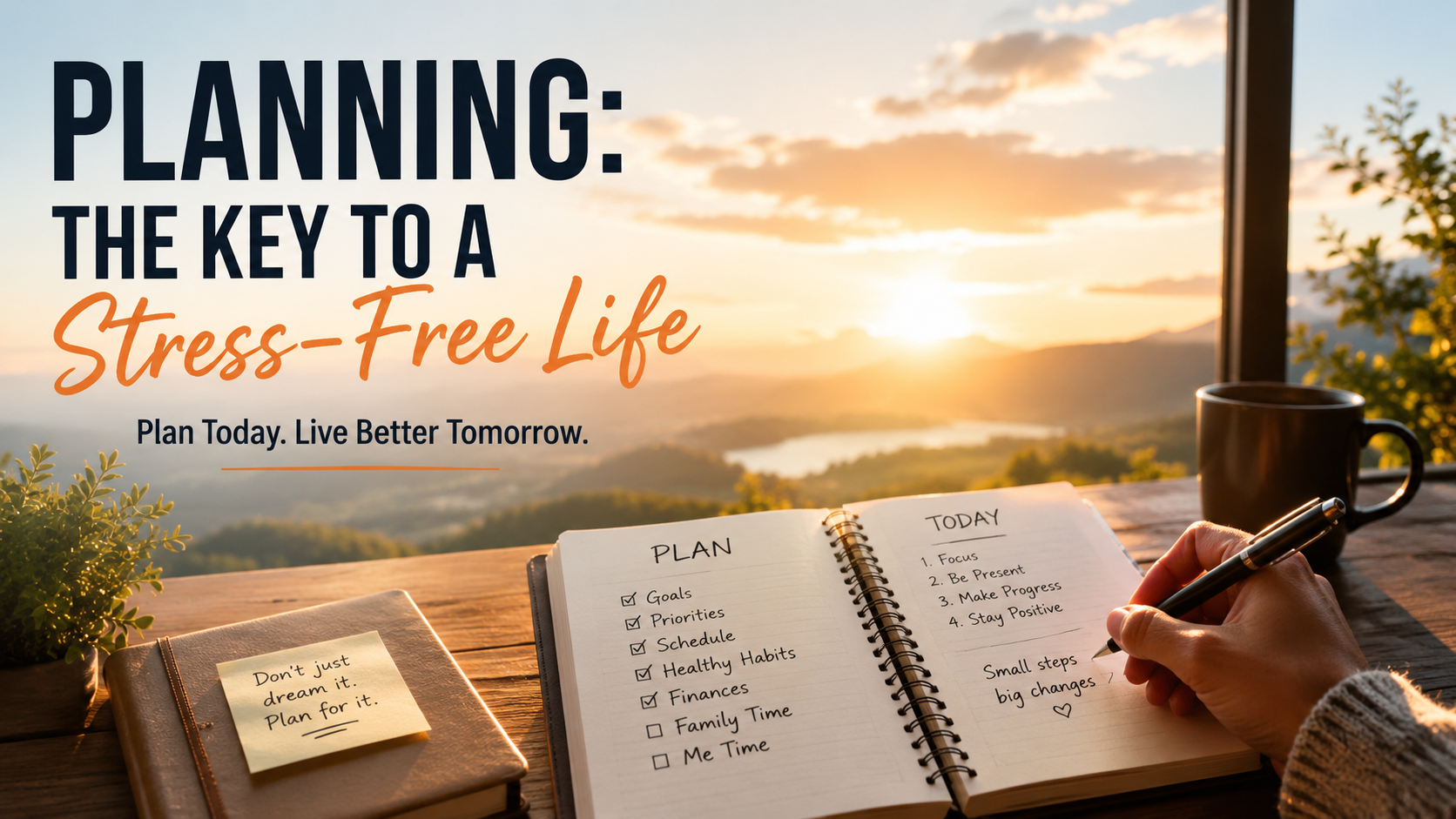
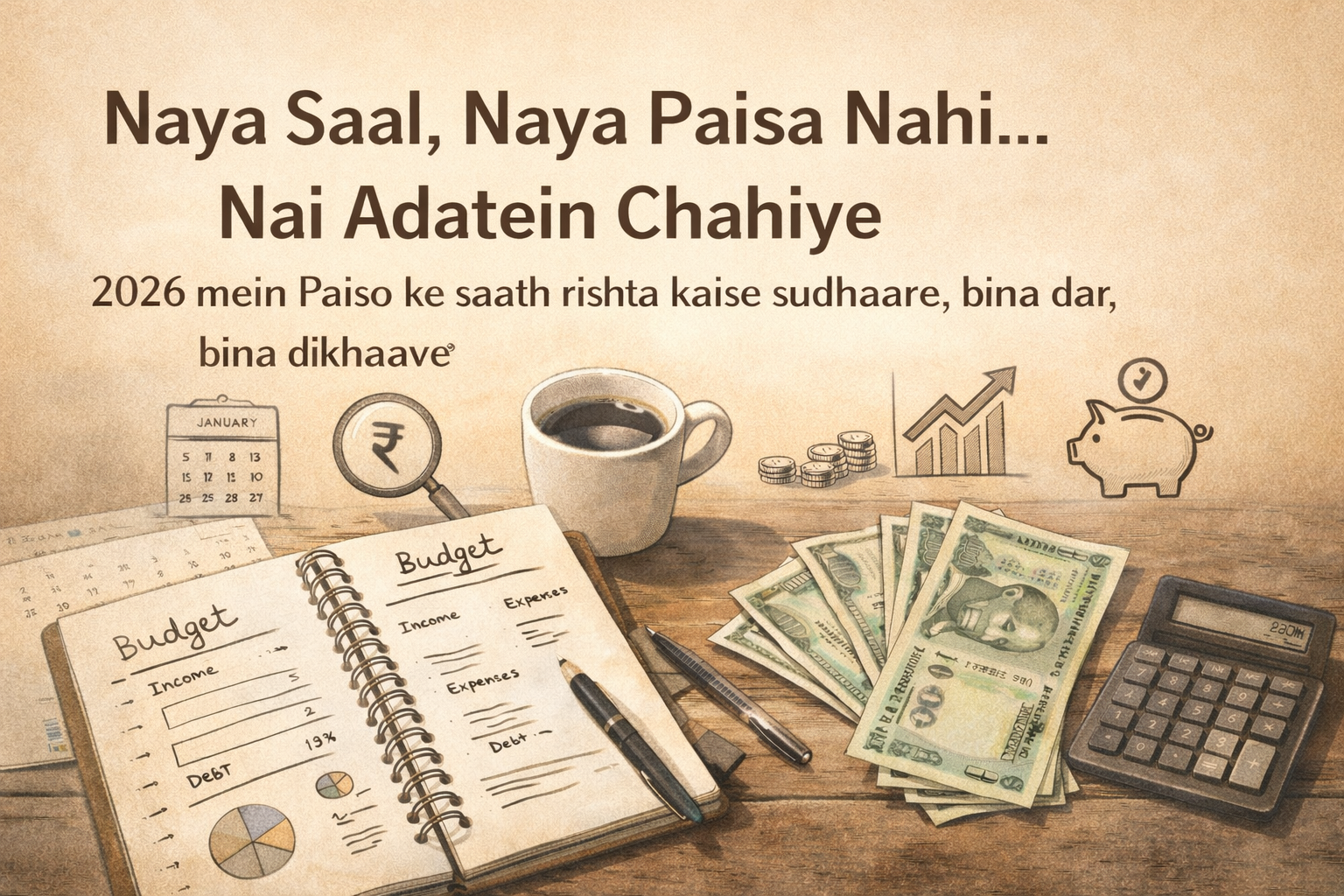
Changing your financial life does not require you to become a completely different person overnight. It requires you to become more intentional. You need to know where your money goes, what your time is producing, which skills can increase your value, who is influencing your thinking, and whether your daily habits match the future you say you want.
A better financial life is not built only in the bank account. It is built in your calendar, your discipline, your relationships, your learning routine, and your willingness to make smarter decisions before life forces you to.
Being broke can be temporary if you treat it as feedback rather than identity. It tells you that something in your system needs to change. Maybe your income needs to grow, but maybe your habits need to mature first.
Maybe you need to invest, but maybe you need to learn before you invest. Maybe you need better people around you, better skills in your hands, and better patience in your mind.
Money respects direction. When your effort, learning, relationships, patience, and courage start moving in the same direction, your financial life begins to change. It may not happen instantly, and it may not look impressive at first, but the person who keeps improving eventually becomes hard to ignore.
Wealth begins when you stop only wanting more money and start becoming the kind of person who knows what to do with it.