



There comes a point in life when a person begins to understand that strength is not always loud, dramatic, or visible to the world. It is not always found in grand victories, public recognition, or moments when everything goes according to plan.
Sometimes strength is born in the ordinary rhythm of daily life, in the decision to keep showing up, in the willingness to live each moment with sincerity, and in the courage to remain true to oneself even when life feels uncertain, unfair, or emotionally heavy.
Many people spend their lives waiting for the perfect season to begin living properly.
They wait for more money, more confidence, more clarity, better relationships, a stronger career, a peaceful home, a healed heart, or a version of themselves that feels ready for the world.
They keep telling themselves that once everything settles down, they will finally breathe, finally enjoy, finally take risks, finally speak honestly, finally follow their dreams, and finally become the person they were meant to be.
The tragedy is that life does not usually arrive as a perfectly arranged stage where all problems disappear before the real performance begins.
Life happens in the middle of confusion, responsibility, heartbreak, deadlines, family expectations, unfinished goals, and plans that keep changing without asking for permission. The present moment is not always comfortable, but it is the only place where life can actually be touched. The past can teach us, the future can guide us, but the present is where we act, love, create, forgive, rebuild, and grow.
When we decide to live each instant fully, not carelessly, not desperately, but consciously and wholeheartedly, we begin to uncover a kind of strength that was always within us, waiting for our attention.
Living Fully Does Not Mean Living Perfectly
There is a common misunderstanding that living fully means living an exciting life every day, filled with adventure, passion, travel, success, laughter, and beautiful moments that look good from the outside. That version of living is attractive, but it is incomplete. Real life is not a motivational poster. Real life includes tired mornings, unpaid bills, difficult conversations, disappointment, self-doubt, and days when getting through the basics feels like a major achievement.
Living fully does not mean pretending every day is beautiful. It means being present enough to experience life honestly, instead of running away from it mentally. It means drinking your tea without scrolling through ten worries at once. It means listening properly when someone speaks to you, rather than preparing your reply while your mind is already elsewhere. It means doing your work with attention, resting without guilt when your body asks for it, and giving your emotions enough space to be understood instead of buried under constant distraction.
A person who lives fully does not need every moment to be grand. They understand that depth matters more than display. There is a different quality in a person who can sit with reality without constantly escaping into regret or anxiety. Such a person may still have ambitions, dreams, and responsibilities, but they are not absent from their own life while chasing them. They do not treat the present as an annoying waiting room before the future begins. They understand that today is not a rough draft. Today is life.
The Present Moment Is Where Personal Power Exists
The mind has a strange habit of living everywhere except here. It replays old conversations, revisits mistakes, edits memories, predicts disasters, creates imaginary arguments, and builds entire emotional storms out of situations that have not happened. This mental travel can feel productive because it gives us the illusion of control, but most of the time it drains the energy we need for the moment in front of us.
The past cannot be changed by overthinking it for the hundredth time. The future cannot be controlled by worrying about every possible outcome. The only place where we can make a real choice is the present. We can choose how we speak now, how we respond now, what effort we put in now, what boundary we create now, what habit we continue now, and what thought we refuse to feed now. This is where strength begins.
When people say they want to become stronger, they often imagine a future version of themselves who is fearless, disciplined, confident, and emotionally unshakable. But strength is not delivered suddenly one day like a certificate. It is built through repeated decisions in ordinary moments. You become stronger when you choose patience in a conversation that could have become cruel. You become stronger when you keep working on your goal after the first excitement fades. You become stronger when you stop begging for approval from people who only understand your value when it benefits them. You become stronger when you admit the truth to yourself, even when denial would be easier.
The present is powerful because it asks for participation. It does not care much about what you planned yesterday or what you promise to do tomorrow. It asks what you are choosing now.
Being True to Yourself Requires Real Courage
Living true to oneself sounds simple until life tests it. It is easy to speak about authenticity when there is no cost attached. The real challenge begins when honesty may disappoint someone, when your choices do not fit other people’s expectations, when your values make you stand apart from the crowd, or when your inner voice asks you to change a life that looks acceptable from the outside but feels empty from within.
Many people slowly drift away from themselves because they learn to survive through approval. They become experts at adjusting, smiling, agreeing, performing, and shrinking. They say yes when they want to say no. They choose careers that make sense to others but feel lifeless to them. They stay in relationships where their spirit keeps reducing in size. They keep friendships that run on convenience rather than respect. They silence their instincts because someone once made them feel too sensitive, too ambitious, too emotional, too different, or too much.
But every time a person betrays their inner truth, something inside them becomes heavier. The world may clap for the version they perform, but the soul knows when it has been abandoned. This is why living true to yourself is not a luxury. It is a form of emotional survival.
Being true to yourself does not mean becoming selfish, rude, or careless about others. It means learning to live without constantly negotiating your dignity. It means understanding your values and allowing them to shape your choices. It means accepting that not everyone will understand your path, and that misunderstanding is not always a sign that you are wrong. Sometimes it simply means you have finally stopped living according to someone else’s map.
Making the Present Moment Shine Is a Daily Practice
Some people believe the present moment shines only when life gives us something worth celebrating. A promotion, a new relationship, a successful project, a vacation, a festival, a big achievement, or a rare lucky day. These moments do matter, but if we wait only for big occasions to feel alive, we will spend most of life emotionally half-asleep.
Making the present moment shine is not about decorating reality with fake positivity. It is about bringing attention, care, and meaning into what already exists. A simple meal becomes better when eaten with gratitude instead of resentment. A walk becomes healing when your mind stops racing long enough to notice the air, the sky, and the rhythm of your own steps. A conversation becomes meaningful when you stop treating it like background noise. Work becomes more satisfying when you connect it to purpose, learning, service, creativity, or growth rather than only pressure.
This kind of presence changes the texture of life. It turns ordinary moments into places where strength can gather. A person who can find meaning in the present is less easily broken by delay, comparison, or uncertainty. They are not waiting for the world to become perfect before they allow themselves to live. That does not mean they never struggle. It means struggle does not steal their entire ability to notice life.
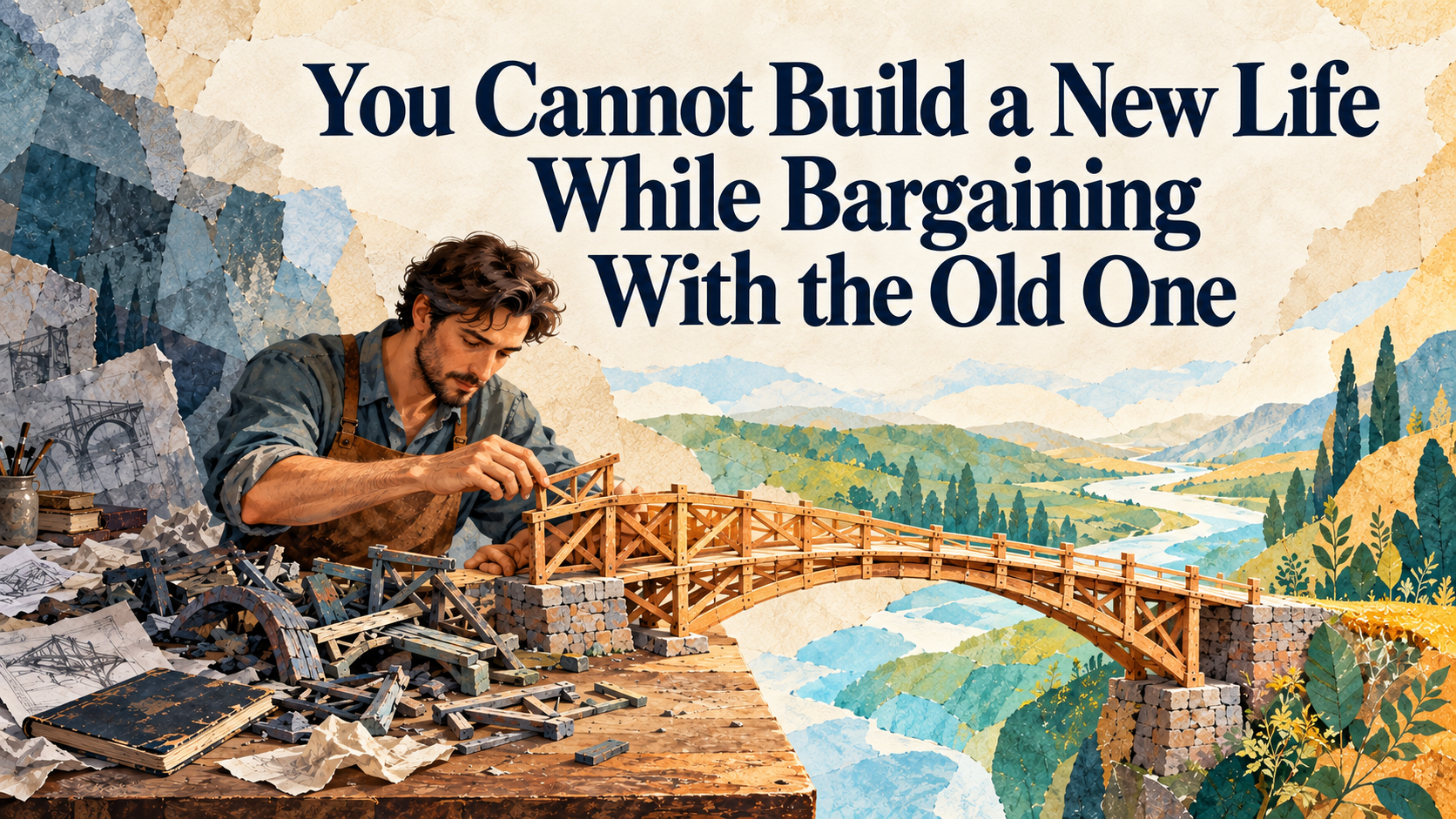
There is immense emotional maturity in learning to say, “This is not exactly the life I planned, but I will not abandon myself while I build something better.” That sentence alone carries more strength than many public achievements.
The Hidden Strength Inside Difficult Seasons
Most people discover their deepest strength during seasons they would never have chosen. No one asks for heartbreak, failure, betrayal, illness, financial pressure, loneliness, or rejection. Yet these experiences often force us to meet parts of ourselves that comfort never introduces.
Difficult seasons strip away illusions. They show us who genuinely stands beside us, what we are depending on too much, what habits are weakening us, what beliefs need to change, and how much courage we have been underestimating within ourselves. Pain is not automatically meaningful, and no one should romanticize suffering, but it can become meaningful when we allow it to shape us with awareness rather than bitterness.
A person who lives fully during hardship does not deny pain. They do not smile for the sake of impressing others. They simply refuse to let pain become the only author of their identity. They continue to make small choices that protect life within them. They get out of bed when staying hidden feels easier. They ask for help when pride wants isolation. They begin again after disappointment. They hold on to kindness even after being treated unfairly. They rest, reflect, learn, and keep moving.
This is not weakness. This is strength in its most honest form.
The world often celebrates people after they succeed, but it rarely sees the invisible courage that carried them through the days when success seemed far away. It does not see the private battles, the nights of uncertainty, the moments of self-doubt, or the discipline required to keep faith in oneself. That hidden strength may not trend online, but it builds a person from the inside in a way applause never can.
Why We Often Underestimate Our Own Strength
Human beings are strangely good at noticing their flaws and strangely poor at recognizing their endurance. We remember the times we broke down, but we forget the number of times we got back up. We remember the mistakes, but not the courage it took to continue learning. We remember the fear, but not the fact that we still acted despite it. We judge ourselves by the moments when we struggled, while ignoring the larger truth that we survived days we once thought would destroy us.
Part of the reason is that strength does not always feel strong while it is happening. Sometimes strength feels like exhaustion. Sometimes it feels like confusion. Sometimes it feels like crying in private and still handling responsibilities in the morning. Sometimes it feels like choosing silence because reacting would damage your peace. Sometimes it feels like leaving a familiar place because staying would cost your self-respect. Sometimes it feels like starting again with no guarantee that things will work out.
We underestimate our strength because we expect it to feel powerful, but often it feels like persistence. It feels like choosing the next right step when the whole staircase is not visible. It feels like carrying hope carefully, even when life has given you reasons to become cynical. It feels like protecting your heart without closing it completely.
When you begin to live each moment with more awareness, you start seeing evidence of your own strength everywhere. Not in dramatic scenes, but in the daily proof that you are still here, still trying, still learning, still capable of becoming more honest, more grounded, and more alive.
Strength Grows When We Stop Performing Life
One of the most exhausting habits of modern life is performance. People perform happiness, success, confidence, healing, busyness, romance, productivity, and even spirituality. Everyone appears to be doing well, which makes everyone else feel behind. The pressure to look like you are living fully can ironically prevent you from actually living fully.
Real presence begins when performance reduces. You no longer need every experience to become content. You no longer measure your life only through comparison. You stop asking whether your journey looks impressive and start asking whether it feels meaningful. This shift is not small. It changes how you choose, how you speak, how you rest, and how you define success.
When you stop performing life, you begin participating in it. You become more honest about what brings you peace and what drains you. You become less interested in proving your worth to people who are committed to misunderstanding you. You become more selective with your energy because you finally understand that attention is not unlimited. You stop chasing a version of success that costs your health, relationships, and inner stability.
This does not mean you lose ambition. In fact, your ambition may become cleaner and stronger because it is no longer powered only by insecurity. You still want to grow, achieve, create, earn, build, and contribute, but you do not want to lose yourself in the process. That is a more sustainable kind of strength.
The Role of Gratitude Without Forcing Positivity
Gratitude is often misunderstood as the instruction to be happy with everything, even when things are painful. That is not gratitude. That is emotional pressure wearing polite clothes. Real gratitude does not ask you to deny difficulty. It simply helps you notice that difficulty is not the only thing present.
You can be tired and still be grateful for one person who checks on you. You can be disappointed and still appreciate the lesson that made you wiser. You can be uncertain and still value the opportunity to try again. You can be healing and still be thankful for small signs of progress. Gratitude does not erase pain, but it prevents pain from becoming the whole story.
When we practice gratitude in the present, we train the mind to see life with more balance. This matters because the mind under stress naturally focuses on threat, lack, and fear. Gratitude gently brings attention back to what remains, what supports us, and what can still be built. It is not magic, but it is powerful. It gives the heart more oxygen.
A life lived fully is not a life without problems. It is a life where problems do not block our ability to notice meaning, beauty, connection, and possibility.
Choosing to Begin Again, Every Day
The beautiful and slightly annoying truth about personal growth is that it has to be renewed daily. You may have a powerful realization today and still wake up tomorrow with old fears, old habits, and old reactions waiting at the door like unpaid rent. That does not mean you failed. It means you are human.
Living fully is not a one-time decision. It is a daily return. You return to awareness after distraction. You return to honesty after people-pleasing. You return to courage after fear. You return to discipline after laziness. You return to hope after disappointment. The strength is not in never falling away from yourself. The strength is in coming back.
Every day gives you another chance to bring yourself fully into your own life. Not as a perfect person. Not as someone who has everything sorted. Not as someone who never doubts, never hurts, never fails, and never needs help. You come as you are, with your unfinished story, your complicated emotions, your hopes, your scars, and your willingness to keep becoming.
That willingness is more powerful than it looks.
Final Thoughts
To live each instant fully is to stop treating life as something that will happen later. It is to recognize that the present moment, even when imperfect, carries the raw material of strength, meaning, and transformation. It is to understand that being true to yourself is not always easy, but it is always necessary for a life that feels real from the inside.
The immense strength we seek is often not hidden in some distant future version of ourselves. It is found when we pay attention to the moment in front of us, when we act with sincerity, when we protect our values, when we continue through difficulty, and when we stop abandoning ourselves for approval, fear, or regret.
Life will not always give us clarity before asking us to move. It will not always give us comfort before asking us to grow. It will not always give us certainty before asking us to trust our steps. But when we decide to live with all our might, not in panic, not in performance, but with presence and truth, we bring forward a strength that even we may not have known we carried.
And perhaps that is one of the deepest discoveries of being alive: we do not become strong only after life becomes easy. We discover strength by choosing to live fully while life is still unfolding.