






People often believe that a healthier life begins with a burst of motivation, a moment when energy suddenly appears and pushes them toward better habits, longer workouts, balanced meals, and a completely transformed routine.
This idea sounds appealing because it suggests that once the right mindset arrives, everything will fall into place naturally and progress will become effortless.
In reality, however, most lasting changes in health and fitness are built through decisions made on ordinary days when energy feels low, schedules feel overwhelming, and motivation refuses to cooperate.
A healthier life rarely begins with excitement. It begins with a decision to keep moving even when the body would prefer rest, to maintain discipline even when emotions suggest postponing effort, and to choose long-term well-being over short-term comfort.
The difference between people who sustain healthy lifestyles and those who repeatedly start and stop often comes down to one simple principle: discipline continues when motivation disappears.
Understanding this distinction can completely change the way someone approaches fitness, nutrition, and personal well-being.
Why Motivation Alone Cannot Sustain Progress
Motivation is powerful, but it is also unpredictable. Some days it appears naturally and makes effort feel easy. A person wakes up feeling energized, ready to exercise, cook a nutritious meal, and plan the day ahead. On those days, discipline feels unnecessary because the mind already wants to do the right thing.
The problem arises when that emotional drive disappears.
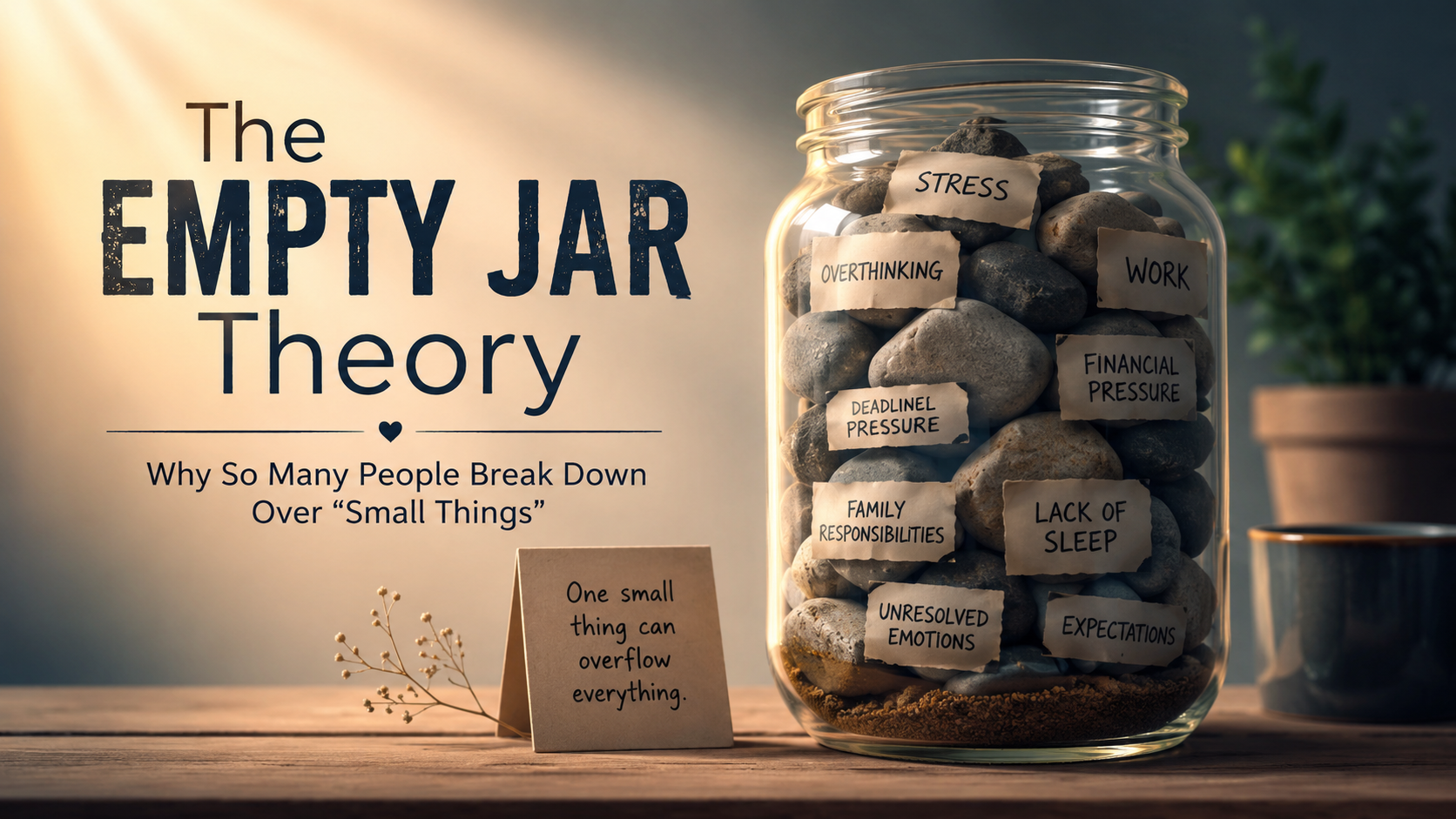
Stress at work, poor sleep, family responsibilities, or mental fatigue can drain enthusiasm. Suddenly the same activities that felt exciting yesterday now feel inconvenient. A workout feels demanding. Preparing a healthy meal seems time-consuming. Even a simple walk can feel like unnecessary effort.
When people rely entirely on motivation, these moments become turning points where progress begins to slip.
A single skipped workout might appear harmless. A quick unhealthy meal might feel justified after a long day. Yet these small decisions often create patterns that gradually erode consistency. Over time, habits weaken and goals begin to feel distant.
This is why discipline plays such an important role in personal health.
Discipline is not driven by emotion. It is driven by commitment.
Movement Matters Even When Energy Feels Low
Physical movement often becomes the first habit people abandon when life becomes demanding. After a long day at work or a stressful week filled with responsibilities, the idea of exercising can feel overwhelming. The mind begins to search for reasons to delay the effort.
Yet movement does not need to be intense or complicated to provide benefits.
A simple walk can increase circulation, stimulate the brain, and improve overall mood. Even moderate activity helps the body release endorphins that reduce stress and support emotional balance. Many individuals underestimate how powerful simple daily movement can be when practiced consistently.
Walking also has an important psychological advantage. It removes barriers that often prevent people from exercising. There is no need for complicated equipment, advanced training programs, or large blocks of free time. A short walk can happen almost anywhere and at any time.
Over weeks and months, these small periods of movement accumulate into meaningful improvements in cardiovascular health, energy levels, and mental clarity.
Action Creates Motivation, Not the Other Way Around
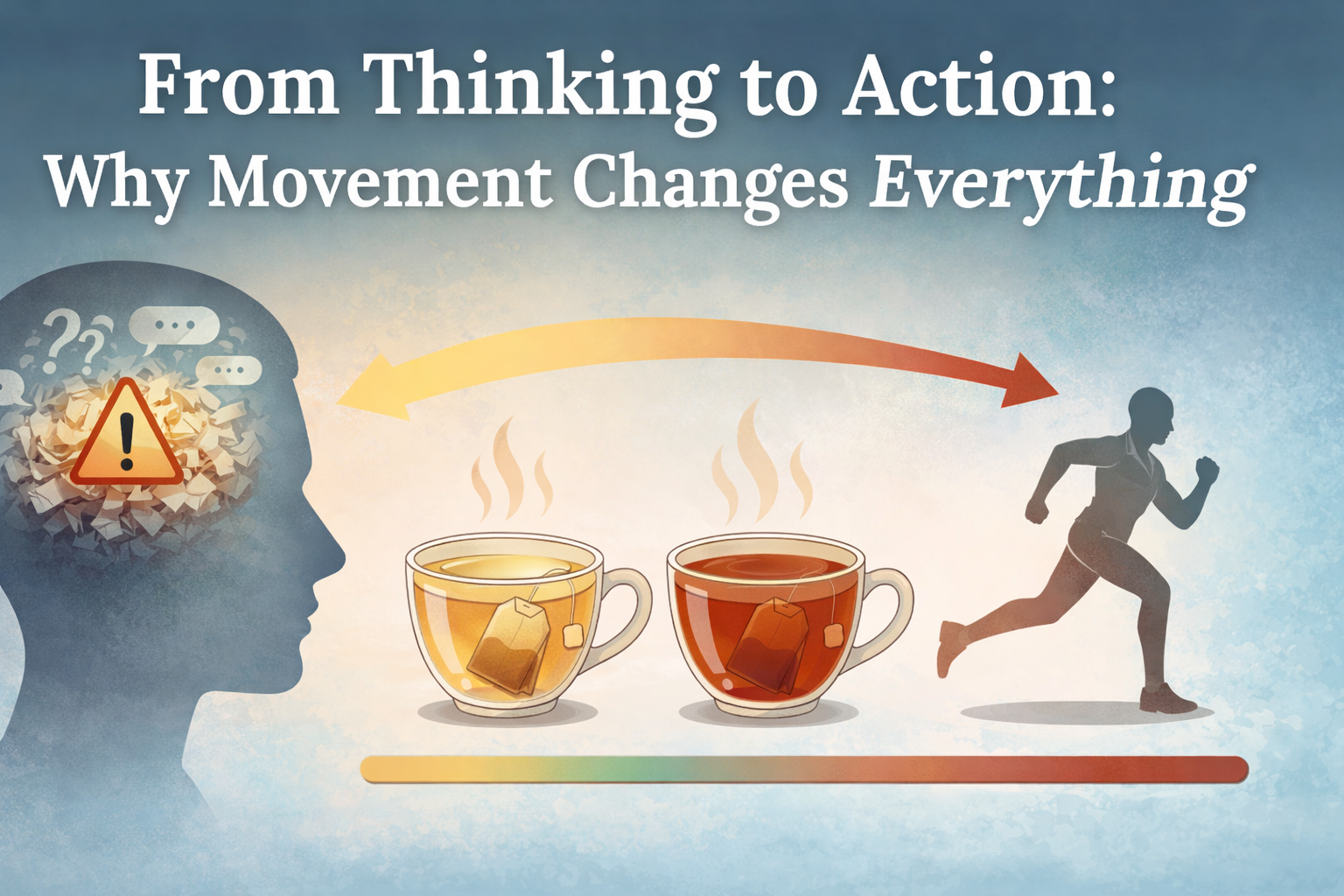
A common misunderstanding about personal discipline is the belief that motivation must appear before action begins. In truth, the relationship often works in reverse.
Beginning an activity frequently generates the motivation needed to continue.
For example, someone who decides to exercise for only ten minutes may discover that the body gradually becomes energized as movement begins. The hardest step often lies in starting. Once the routine begins, momentum takes over and completing the activity becomes easier.
This psychological shift explains why disciplined individuals focus on starting rather than waiting for enthusiasm.
They remove the expectation that every workout must feel exciting or every healthy meal must feel convenient. Instead, they rely on routines that guide behavior automatically.
Once routines become established, discipline replaces the need for constant motivation.
Healthy Eating in a Busy World
Nutrition presents another area where consistency often breaks down when life becomes demanding. Busy schedules encourage convenience, and convenience often leads to choices that lack proper nutritional balance.
Fast food, packaged snacks, and sugary drinks provide immediate satisfaction but rarely support long-term health.
The challenge lies in recognizing that healthy eating does not require perfection or complicated dietary rules. Sustainable nutrition often begins with simple choices repeated regularly. Balanced meals containing vegetables, lean proteins, whole grains, and healthy fats provide the body with steady energy throughout the day.
Planning meals ahead of time, preparing simple dishes at home, and keeping nutritious snacks available during busy workdays can prevent impulsive decisions that lead toward unhealthy alternatives.
Over time, these consistent choices influence metabolism, energy stability, and overall well-being.
Protecting Non-Negotiable Habits
One of the most powerful strategies for maintaining discipline involves identifying a few essential habits that remain constant regardless of mood or circumstances.
These habits form the foundation of personal well-being. They may include daily movement, balanced nutrition, sufficient hydration, and adequate sleep.
When these behaviors become non-negotiable, the mind stops treating them as optional tasks that depend on emotional readiness. Instead, they become normal parts of daily life, similar to brushing teeth or attending work responsibilities.
This shift eliminates the daily internal debate about whether these habits should happen. The decision has already been made.
Protecting these routines strengthens personal discipline and creates stability during stressful periods when motivation tends to disappear.
Choosing What Is Necessary Instead of What Feels Easy
Human nature naturally gravitates toward comfort. People tend to choose activities that feel enjoyable in the moment and avoid those that require effort or discomfort.
However, long-term health often depends on choices that prioritize necessity over convenience.
For example, preparing a balanced meal may require more effort than ordering fast food. Exercising may require more energy than resting on the couch. Choosing water over sugary beverages may require a small moment of restraint.
These decisions may appear insignificant in isolation, yet they accumulate over time and influence overall health in powerful ways.
A single healthy decision may not transform the body immediately. But repeated decisions gradually shape lifestyle patterns that determine long-term well-being.
The Compounding Effect of Small Habits
Many people search for dramatic solutions to improve health, hoping that a single change will produce immediate transformation. In reality, progress usually emerges through gradual improvements that build upon each other over time.
Small habits compound in the same way financial investments grow through consistent contributions.
Ten minutes of movement each day may appear minor, yet it adds up to more than sixty hours of activity in a year. Choosing balanced meals throughout the week can prevent thousands of excess calories from accumulating. Maintaining regular sleep patterns improves hormonal balance, energy levels, and cognitive performance.
Each individual habit produces modest results, but their combined effect becomes powerful when practiced consistently.
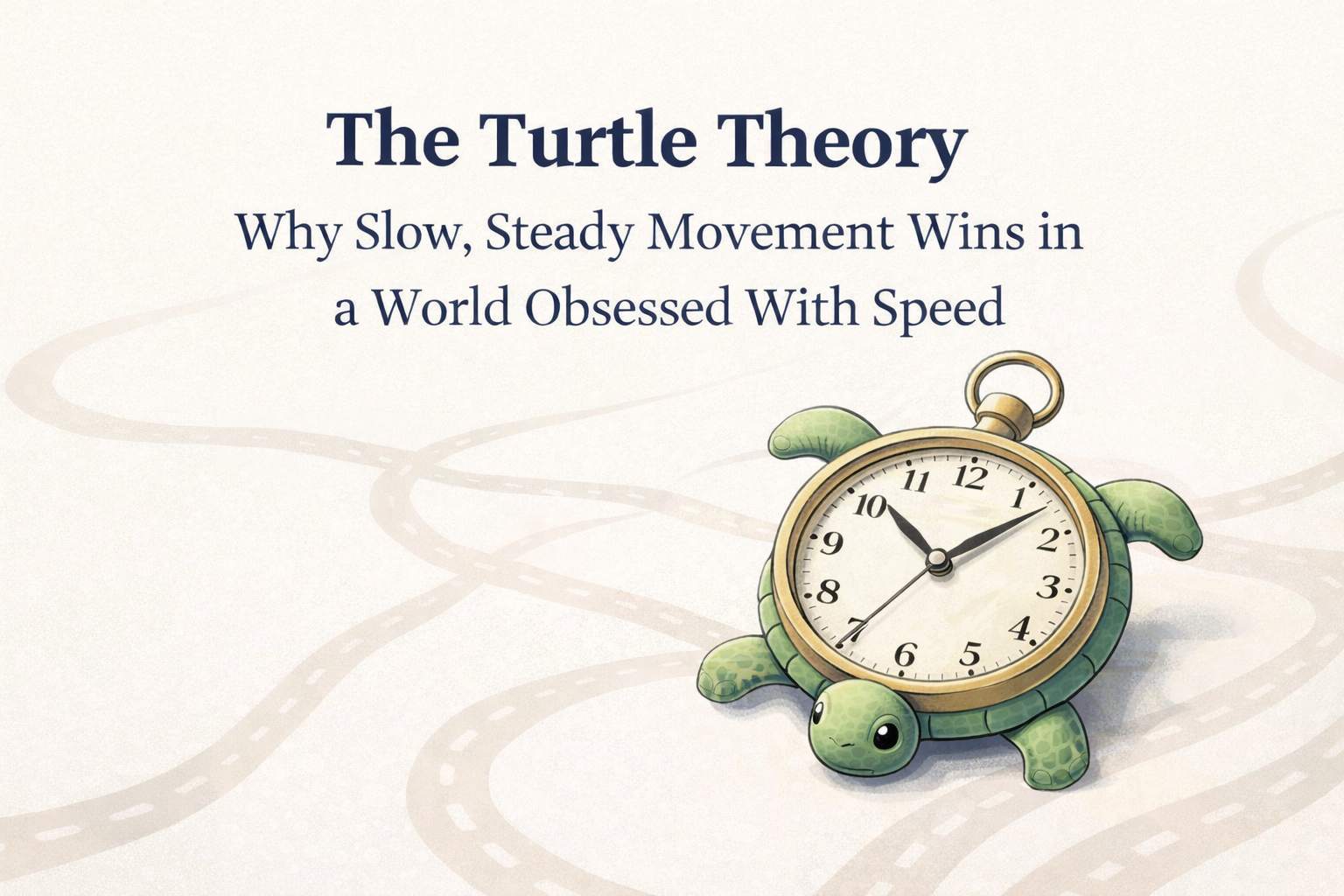
This compounding process explains why people who focus on small improvements often achieve more sustainable success than those who pursue extreme changes that cannot be maintained.
Showing Up Matters More Than Perfection
Another important aspect of discipline involves accepting that progress does not require perfect performance every single day.
Many people abandon healthy routines because they believe missing a workout or eating an unhealthy meal represents failure. This all-or-nothing mindset can destroy consistency because it turns minor setbacks into excuses for quitting.
A more productive approach focuses on showing up consistently, even when performance falls below expectations.
A shorter workout during a stressful day still reinforces the habit of movement. A simple healthy meal still supports better nutrition than impulsive alternatives. Maintaining routines during difficult periods strengthens resilience and prevents long breaks from developing.
Consistency matters more than perfection.
Identity Shapes Long-Term Behavior
When people repeat disciplined behaviors over time, those actions gradually influence their identity.
A person who walks daily begins to see themselves as someone who values movement. Someone who prioritizes balanced nutrition begins to identify as a person who cares about health.
This shift in identity creates powerful psychological reinforcement. Behaviors that align with personal identity feel natural and sustainable.
Instead of forcing themselves to exercise, disciplined individuals view movement as a normal part of who they are. Instead of struggling to avoid unhealthy foods, they simply choose options that match their identity.
This transformation happens gradually through repeated actions rather than dramatic life changes.
Health as a Long-Term Investment
One of the biggest misconceptions about health involves unrealistic expectations regarding how quickly results should appear. Many individuals expect visible improvements within weeks and become discouraged when progress feels slow.
However, the body operates according to long-term biological processes rather than short-term timelines.
Muscle growth, metabolic adaptation, cardiovascular improvement, and hormonal balance all require consistent effort over extended periods. Sustainable health resembles a long-term investment where small contributions accumulate gradually.
Each workout strengthens the cardiovascular system. Each balanced meal supports metabolic health. Each night of adequate sleep improves recovery and cognitive performance.
When viewed through this perspective, daily habits become investments in future well-being.
Building a Lifestyle Rather Than Following a Temporary Plan
Many people approach fitness and nutrition through temporary programs designed to produce rapid results. These programs often involve strict rules and intense routines that feel difficult to maintain once the program ends.
Lasting change occurs when individuals shift their focus from short-term programs toward sustainable lifestyles.
A lifestyle integrates healthy habits naturally into everyday routines. Walking becomes part of daily movement. Exercise becomes a regular activity rather than an occasional challenge. Balanced meals become the standard choice rather than a restrictive requirement.
When health becomes part of daily living rather than a temporary effort, discipline becomes easier to maintain.
Small Mindset Shifts Create Powerful Results
Many people believe that meaningful change requires dramatic effort or radical transformation. In reality, progress often begins with subtle adjustments in perspective.
Choosing movement instead of inactivity. Choosing balanced meals instead of convenience foods. Choosing discipline instead of temporary comfort.
These decisions may appear minor, yet they influence behavior patterns that shape long-term outcomes.
Small mindset shifts create powerful ripple effects because they guide everyday decisions.
Over time, these decisions shape habits. Habits shape identity. Identity shapes lifestyle.
Final Thoughts
A healthier life rarely emerges from sudden bursts of inspiration. It grows through steady decisions made on ordinary days when motivation feels absent and energy feels limited.
Walking when tired, exercising when enthusiasm fades, choosing balanced meals during busy schedules, and maintaining essential habits during emotional ups and downs represent the true foundation of personal well-being.
These actions may appear simple, but their impact becomes profound when practiced consistently.
Real transformation does not require dramatic effort or extreme discipline. It requires the willingness to continue making small, necessary choices day after day.
Over time, those choices shape a stronger body, a clearer mind, and a lifestyle built on consistency rather than temporary motivation.