


Understanding how patience, focus, and steady movement lead to lasting success
We live in a time where speed is celebrated more than substance, where being fast is often confused with being effective, and where progress is measured by how visible it looks rather than how sustainable it actually is. Everything around us pushes the idea that if you are not rushing, hustling, or constantly accelerating, then you are somehow falling behind. Social media timelines overflow with overnight success stories, instant transformations, and carefully edited milestones that make patience feel outdated and restraint look like weakness. In this environment, the turtle feels almost rebellious.
The turtle does not rush. It does not panic when others pass it by. It does not stop to compare its pace with the movement of the crowd. It simply keeps moving, one steady motion after another, trusting the direction it has chosen rather than the speed at which it is traveling. This simple idea forms the heart of what can be called the Turtle Theory, a perspective on growth, ambition, and life that challenges modern urgency at its core.
The Turtle Theory is not about being slow for the sake of slowness, nor is it a romantic rejection of ambition. Instead, it is about choosing consistency over chaos, direction over distraction, and endurance over exhaustion. It reminds us that lasting progress rarely looks dramatic in the moment and that most meaningful journeys unfold quietly in the background of everyday effort, far away from applause or attention.
Why Speed Has Become Our Default Language
To understand why the Turtle Theory feels so countercultural today, it helps to look at how deeply speed has embedded itself into our thinking. We are surrounded by tools that promise faster results, quicker wins, and immediate feedback. Messages are delivered instantly, work is expected to move in real time, and even rest is often framed as something to optimize rather than experience. In such a setting, slowing down feels uncomfortable, even threatening, because it clashes with what we have been trained to value.
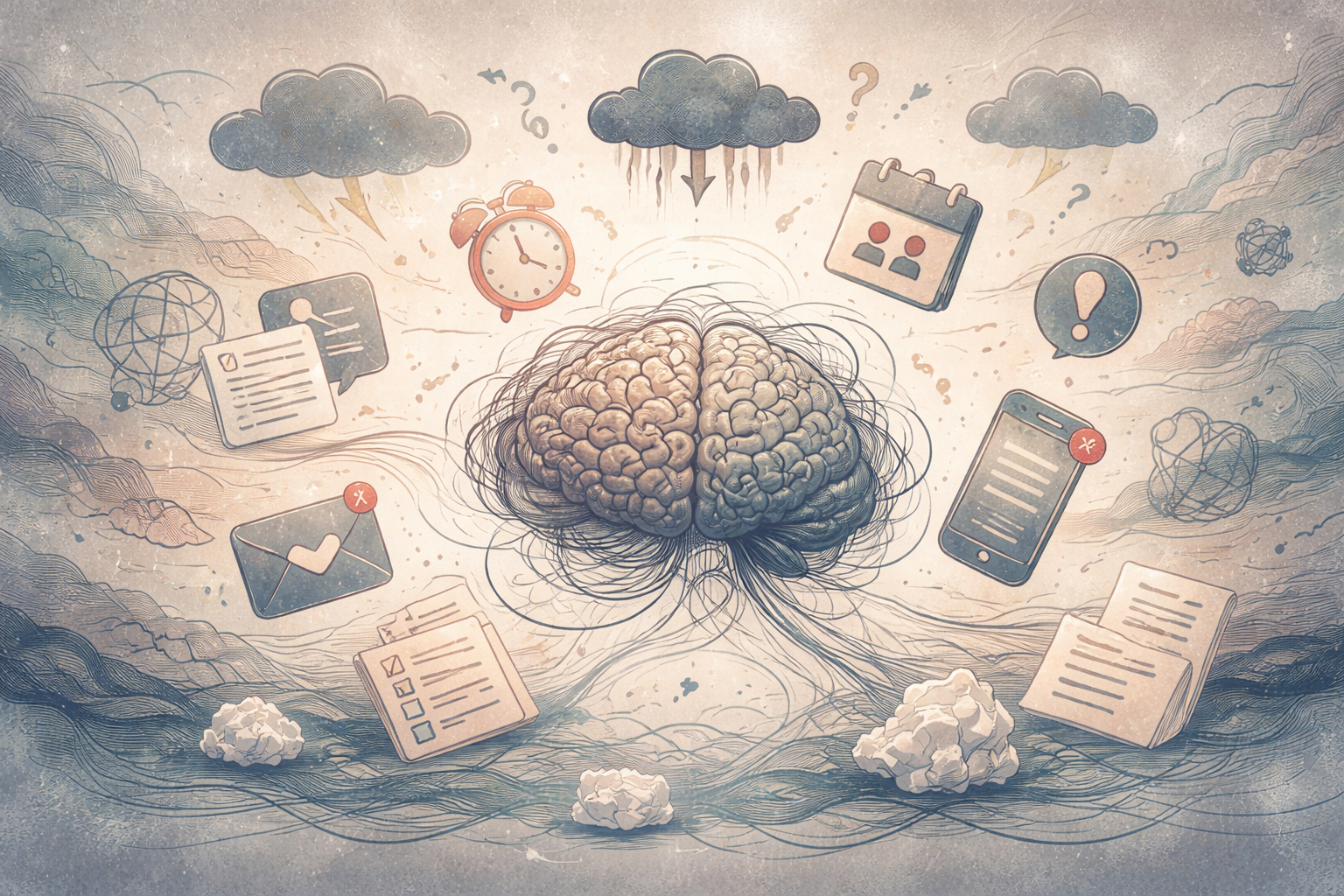
Speed creates the illusion of control. When things move fast, it feels like something is happening, like progress is being made, even when the movement lacks direction. Many people stay busy not because it serves a purpose, but because stopping would force them to confront uncertainty, doubt, or the uncomfortable question of whether their effort is actually aligned with what they want. The constant rush becomes a distraction from deeper reflection.
The turtle, by contrast, operates without this illusion. It moves deliberately, with no concern for external noise, because its survival depends on steady motion rather than bursts of energy. This difference is crucial. While speed often burns resources quickly, steadiness preserves them. While haste amplifies mistakes, patience reduces them. The Turtle Theory recognizes that most meaningful goals are marathons, not sprints, and that treating them otherwise often leads to burnout, frustration, or abandonment halfway through.
The Hidden Strength of Staying in Motion
One of the most misunderstood aspects of slow progress is the assumption that it equals stagnation. People often equate visible speed with effort and invisible progress with laziness, even though the opposite is frequently true. The Turtle Theory does not advocate standing still or waiting endlessly for the perfect moment. It emphasizes continuous movement, however modest that movement may appear from the outside.
Staying in motion matters more than moving fast. A person who advances a little every day builds momentum that compounds over time, even if it is not immediately noticeable. Habits form, skills deepen, and confidence grows gradually, creating a foundation strong enough to support long-term success. Meanwhile, those who rush often surge ahead briefly, only to stall when motivation fades or obstacles appear.
This is why so many fast starts end quietly. They rely on adrenaline rather than discipline, excitement rather than structure. The turtle relies on something far more reliable: consistency. Each step may seem insignificant, but together they create a rhythm that carries the turtle forward through both calm waters and rough currents. The theory suggests that success belongs less to those who move the fastest and more to those who refuse to stop moving at all.
Comparison Is the Enemy of Endurance
A core lesson of the Turtle Theory lies in how it approaches comparison. The turtle does not measure its worth by who is ahead or behind. It understands instinctively that another creature’s pace has no bearing on its own journey. This mindset is especially relevant today, when comparison has become a constant background noise in everyday life.
When people measure themselves against others, progress begins to feel inadequate no matter how much ground has been covered. Someone else’s milestone can suddenly make years of personal effort feel insignificant. This leads many to abandon paths that were working simply because someone else appeared to be moving faster or receiving more recognition. The tragedy is not that they were slow, but that they allowed comparison to interrupt their momentum.
The Turtle Theory encourages a different approach. It asks one simple question: are you moving in the right direction for your own life? If the answer is yes, then speed becomes secondary. Progress no longer needs to be validated externally because it is anchored internally. This shift changes everything. It transforms growth from a performance into a process and removes the pressure to constantly prove that something is happening.
Growth Through Chaos and Calm
Another powerful insight of the Turtle Theory is its neutrality toward conditions. The turtle moves through calm waters and turbulent currents with the same commitment. It does not wait for ideal circumstances to begin, nor does it stop when conditions become difficult. This adaptability is one of its greatest strengths.
Many people postpone action until everything feels stable, clear, or comfortable, which often means they never begin at all. Others stop as soon as the environment becomes challenging, interpreting difficulty as a sign that something has gone wrong. The turtle interprets neither calm nor chaos as permanent states. It understands that both are simply parts of the journey.
By continuing forward regardless of conditions, steady movers develop resilience. They learn to adjust rather than quit, to adapt rather than panic. Over time, this builds confidence that is rooted in experience rather than optimism. The Turtle Theory suggests that real strength is not about avoiding hardship, but about maintaining direction when hardship appears.
Why Patience Is a Strategic Advantage
Patience is often framed as passive waiting, but the Turtle Theory redefines it as active endurance. Patience, in this context, means trusting the process enough to remain engaged even when results are delayed. It means resisting the urge to abandon a meaningful path simply because it is not producing immediate rewards.
In a world driven by instant gratification, patience becomes a competitive advantage. Those who can tolerate delayed outcomes gain access to deeper mastery, stronger relationships, and more sustainable success. They are less reactive, more thoughtful, and better equipped to make decisions that serve long-term goals rather than short-term relief.
The turtle’s patience is not accidental. It is a survival mechanism refined over time. It conserves energy, avoids unnecessary risks, and focuses on what truly matters: reaching its destination. Applied to human life, this approach reduces burnout and increases fulfillment. It allows people to build lives that are not only successful on the surface, but also livable from the inside.
Knowing Where You Are Going Matters More Than How Fast You Get There
Perhaps the most important message within the Turtle Theory is the emphasis on direction. Speed without direction leads nowhere meaningful. It creates motion without purpose and activity without progress. The turtle does not sprint because it does not need to. It knows where it is headed, and that knowledge guides its pace.
Many people move quickly because they are unsure of their destination. Speed becomes a way to outrun doubt or discomfort. Slowing down, by contrast, requires clarity. It forces reflection, intention, and honesty about what truly matters. The Turtle Theory invites this clarity by shifting focus away from urgency and toward alignment.
When direction is clear, pace naturally adjusts. There is no need to rush because each step contributes to something larger. Progress becomes satisfying rather than stressful because it is measured by consistency rather than comparison. This creates a sense of internal stability that external achievements alone cannot provide.
Slow Progress Is Still Progress
One of the most comforting truths within the Turtle Theory is the reminder that progress does not need to be dramatic to be real. Small, repeated actions accumulate in ways that are often invisible until they suddenly are not. Skills sharpen quietly. Confidence builds incrementally. Change happens beneath the surface long before it becomes visible to others.
This perspective is especially important for those who feel discouraged by how long things are taking. The turtle’s journey teaches that arriving later does not mean arriving weaker. In many cases, it means arriving stronger, better prepared, and more grounded than those who rushed ahead without building a foundation.
Slow progress protects peace. It allows room for reflection, learning, and adjustment. It creates space for life to be lived alongside ambition rather than sacrificed to it. The Turtle Theory does not promise shortcuts or instant wins. It offers something far more valuable: sustainability.
Choosing the Turtle Path in Everyday Life
Adopting the Turtle Theory does not require withdrawing from goals or lowering standards. It requires redefining what progress looks like and how it feels. It means choosing routines over bursts of motivation, direction over distraction, and patience over panic. It means staying in motion even when results feel distant and trusting that consistency will eventually carry you where you want to go.
This approach can be applied to careers, relationships, personal growth, health, and creative work. In every area, the same principle holds true: steady effort outlasts frantic intensity. Those who keep going, even slowly, eventually reach places that those who rush often never do.
The turtle reaches the shore not because it is faster, but because it does not stop.
In a world that constantly demands acceleration, choosing the turtle’s path is an act of self-respect. It is a declaration that your journey does not need to look impressive to be meaningful, and that peace is not a reward at the end, but something you can carry with you along the way.
Slow progress is still progress. And progress built on patience will always outlast pressure.