
There are many qualities the world praises loudly. Intelligence. Hustle. Talent. Discipline. Confidence. Wealth. Influence.
But there is one quality that quietly shapes the direction of a life far more than all of these, yet rarely gets mentioned, celebrated, or consciously developed.
The ability to stay in a good mood.
Not when everything is perfect.
Not when life is smooth.
But when things are uncertain, unfair, delayed, misunderstood, or simply exhausting.
This ability is not softness. It is not ignorance. It is not denial.
It is emotional mastery.
And in a world addicted to stress, outrage, and drama, emotional mastery has become a rare and powerful advantage.
Mood Is the Invisible Lens Through Which You Experience Life
Most people think of mood as a side effect of life. Something that reacts to circumstances. Something that rises and falls depending on how well the day goes.
But mood is not just a reaction. It is a lens.
Two people can live the same day, face the same problems, and experience entirely different realities based on their internal state.
One feels attacked, overwhelmed, unlucky.
The other feels challenged, calm, and capable.
The difference is not intelligence or privilege. It is emotional posture.
Your mood decides how you interpret events.
Your interpretation decides your decisions.
Your decisions decide your future.
This is why mood is not a small thing. It quietly shapes everything.
Why Staying in a Good Mood Is Harder Than It Sounds
If staying in a good mood were easy, more people would do it.
But modern life constantly works against emotional stability.
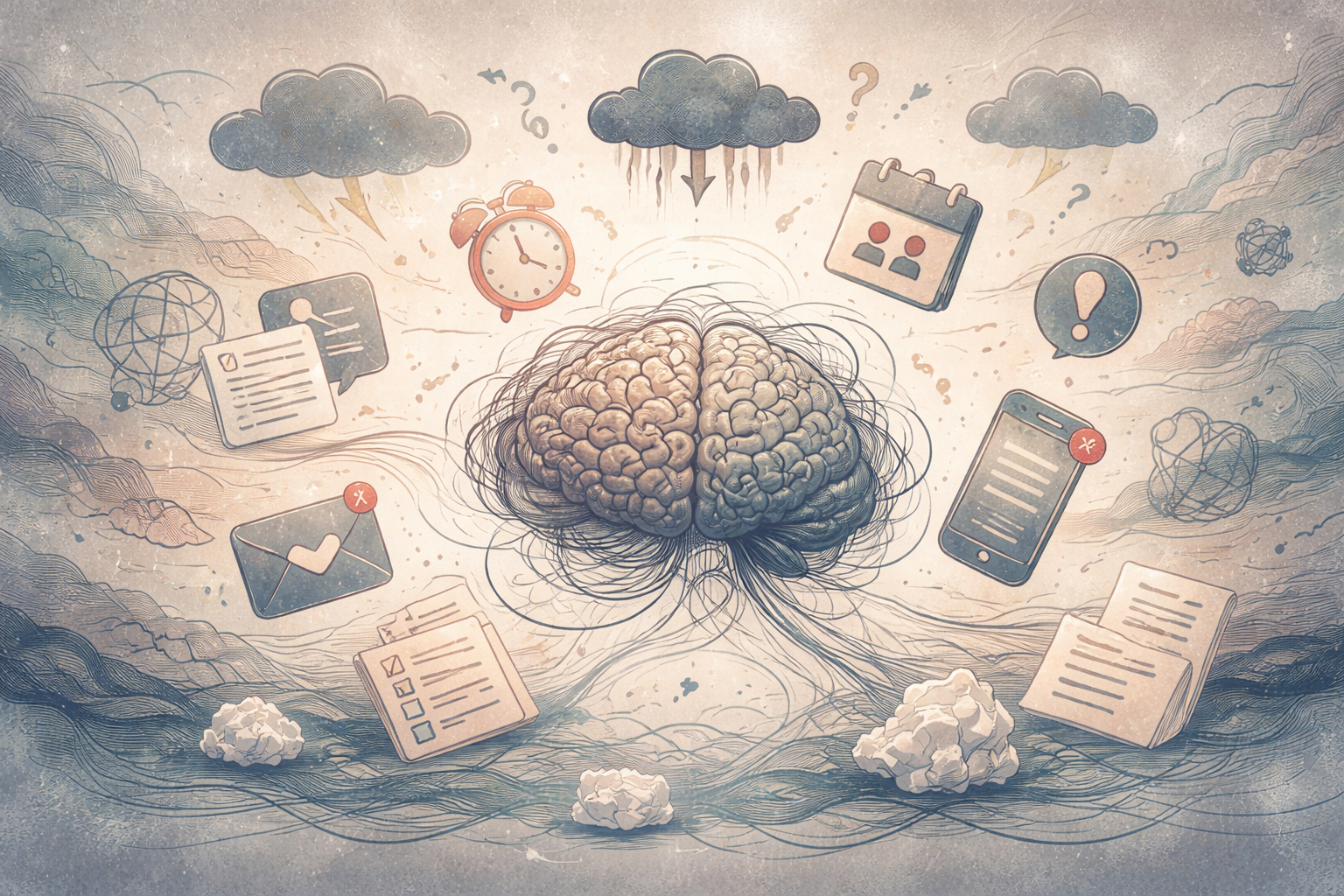
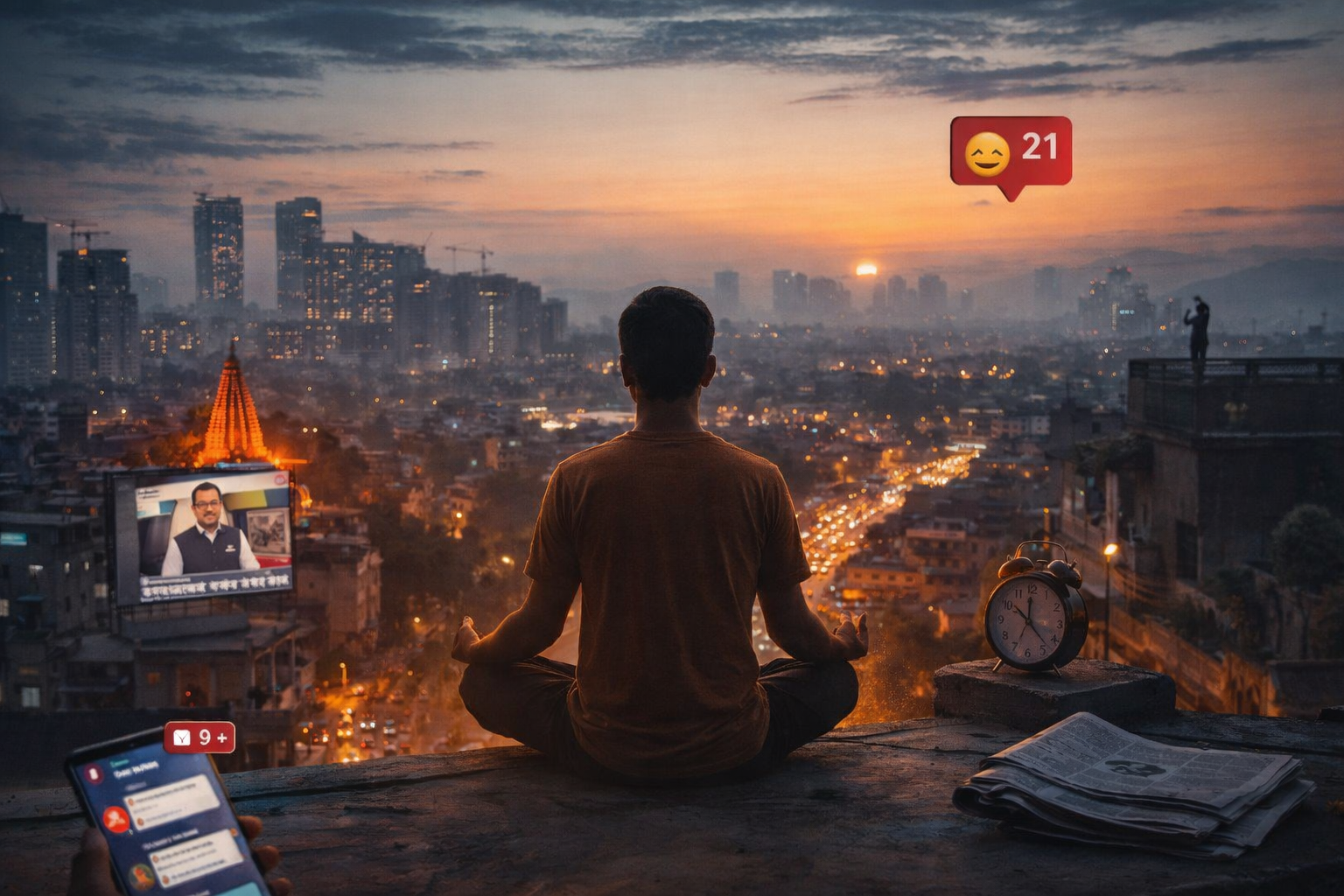
You wake up and before your mind is fully present, you are already exposed to messages, notifications, news, opinions, comparisons, expectations, and subtle pressures.
You are expected to perform at work.
Stay relevant socially.
Be available emotionally.
Be productive financially.
Be healthy physically.
Be composed mentally.
All at once.
And if that were not enough, you are also constantly watching how others seem to be doing better, moving faster, achieving more, or living easier lives.
The human nervous system was never designed for this level of stimulation.
So most people live in a low grade state of irritation, anxiety, or emotional fatigue without even realizing it.
They call it normal.
Emotional Reactivity Has Become Normalized
We live in a culture where reacting emotionally is not only accepted, it is encouraged.
Outrage gets attention.
Complaints get validation.
Stress gets sympathy.
Drama gets engagement.
Calm, on the other hand, often gets misunderstood.
A calm person is labeled detached.
A stable person is labeled indifferent.
A quiet person is labeled uninterested.
But emotional reactivity is not depth. It is exposure without control.
Staying in a good mood requires restraint. And restraint is uncomfortable at first.
A Good Mood Is Not Constant Happiness
This needs to be said clearly.
Staying in a good mood does not mean you are happy all the time.
It does not mean you never feel pain, anger, disappointment, grief, or frustration.
It means those emotions do not hijack your entire inner world.
Emotionally strong people still feel deeply. They just recover faster.
They allow emotions to move through them instead of letting emotions define them.
They do not suppress. They process.
There is a big difference.
The Difference Between Feeling and Becoming
Most people do not just feel emotions. They become them.
They do not feel stressed. They become stressed.
They do not feel angry. They become angry.
They do not feel hurt. They become hurt.
And once an emotion becomes an identity, it is very hard to let go.
Staying in a good mood means you do not fuse your identity with temporary emotional states.
You feel sadness without becoming a sad person.
You feel anger without becoming an angry person.
You feel disappointment without becoming bitter.
That separation is emotional intelligence.
Why Calm People Seem More Focused and Capable
Have you noticed how some people remain steady while others unravel?
When pressure increases, some minds shrink. Others sharpen.
This has little to do with IQ. It has everything to do with emotional regulation.
Stress narrows attention.
Calm expands it.
A stable mood keeps your mind open. You can see options. You can think creatively. You can prioritize effectively.
When your mood collapses, your thinking follows.
This is why emotionally stable people often appear more competent. Not because they know more, but because they think better under pressure.
Staying in a Good Mood Is a Strategic Choice
At some point, emotionally mature people stop asking, Why does this keep happening to me?
Instead, they ask, How do I want to show up in this situation?
They realize that while they cannot control everything that happens, they can control how much emotional energy they give to it.
They understand that every situation makes an emotional offer.
An invitation to panic.
An invitation to argue.
An invitation to complain.
An invitation to spiral.
And they learn to decline politely.
Drama Is Optional, Even When Problems Are Real
Problems are real. Challenges are unavoidable. Stressful situations will arise.
But drama is not mandatory.
Drama is what happens when emotion overpowers clarity.
Two people can face the same issue. One turns it into a crisis. The other turns it into a task.
Staying in a good mood allows you to separate the problem from unnecessary emotional noise.
You deal with what needs to be handled, without amplifying suffering.
This is not emotional numbness. It is emotional efficiency.
Emotional Stability Protects Your Energy
Your energy is finite.
Every emotional reaction costs something.
Overthinking costs energy.
Resentment costs energy.
Worry costs energy.
Constant mental replay costs energy.
People who cannot maintain a good mood often feel exhausted not because life is harder for them, but because they spend enormous energy reacting internally.
Emotionally stable people conserve energy by not engaging in unnecessary internal battles.
They pick their emotional investments carefully.
The Relationship Between Mood and Self Respect
At some point, staying in a good mood becomes an act of self respect.
You stop allowing everything and everyone to affect you.
You realize that your peace is not something to be negotiated with every external event.
This is not arrogance. It is maturity.
People who respect themselves emotionally do not chase chaos, explanations, or validation.
They become selective.
And selection is power.
Why Emotionally Stable People Are Hard to Manipulate
Manipulation thrives on emotional instability.
Fear, guilt, urgency, and insecurity are the tools of manipulation.
A person who stays in a good mood is much harder to control.
They do not rush decisions out of anxiety.
They do not react impulsively to pressure.
They do not agree just to avoid discomfort.
They pause.
And that pause protects them.
Staying in a Good Mood Improves Relationships
Most relationship conflicts are not caused by the issue itself. They are caused by emotional escalation.
Tone changes. Assumptions form. Defensiveness rises.
A stable mood acts like a buffer.
You listen better.
You speak more clearly.
You choose words instead of weapons.
This does not mean you avoid difficult conversations. It means you approach them with composure.
Over time, people feel safer around you.
And emotional safety is the foundation of trust.
The Long Term Health Impact of Emotional Stability
Chronic emotional stress affects the body in subtle but serious ways.
Sleep suffers.
Digestion suffers.
Immunity weakens.
Hormones fluctuate.
Living in constant emotional agitation slowly erodes physical health.
Staying in a good mood is not just mental hygiene. It is physical care.
Calm allows the nervous system to recover.
Recovery is where healing happens.
How Emotionally Strong People Protect Their Mood
They are intentional about what they consume mentally.
They limit exposure to constant negativity, whether from media, conversations, or environments.
They understand that not every thought deserves attention.
They create routines that ground them. Quiet mornings. Movement. Reflection. Simple habits.
They accept reality instead of arguing with it.
They focus on what they can control and release what they cannot.
Most importantly, they stop taking everything personally.
The Power of Not Taking Things Personally
Many emotional disturbances come from interpretation, not facts.
Someone’s tone.
Someone’s silence.
Someone’s opinion.
Emotionally mature people understand that most behavior is a reflection of the other person’s internal world, not a verdict on their worth.
This understanding frees them.
They respond instead of reacting.
Staying in a Good Mood Is a Long Term Investment
The benefits of emotional stability compound over time.
Better decisions lead to better outcomes.
Better outcomes lead to confidence.
Confidence reinforces calm.
It becomes a positive feedback loop.
Life does not become problem free. You become problem capable.
Final Reflection
Anyone can feel good when life is easy.
The real strength is staying grounded when life is not.
If you can maintain emotional balance in moments of pressure, confusion, or disappointment, you possess a rare skill.
It will not make headlines.
It will not attract applause.
But it will quietly build a life that feels stable, intentional, and deeply lived.
Your ability to stay in a good mood is not a personality trait.
It is a practice.
And practiced long enough, it becomes your greatest superpower.