

How to Reclaim Your Focus, Build Discipline, and Design a Purpose Driven Life
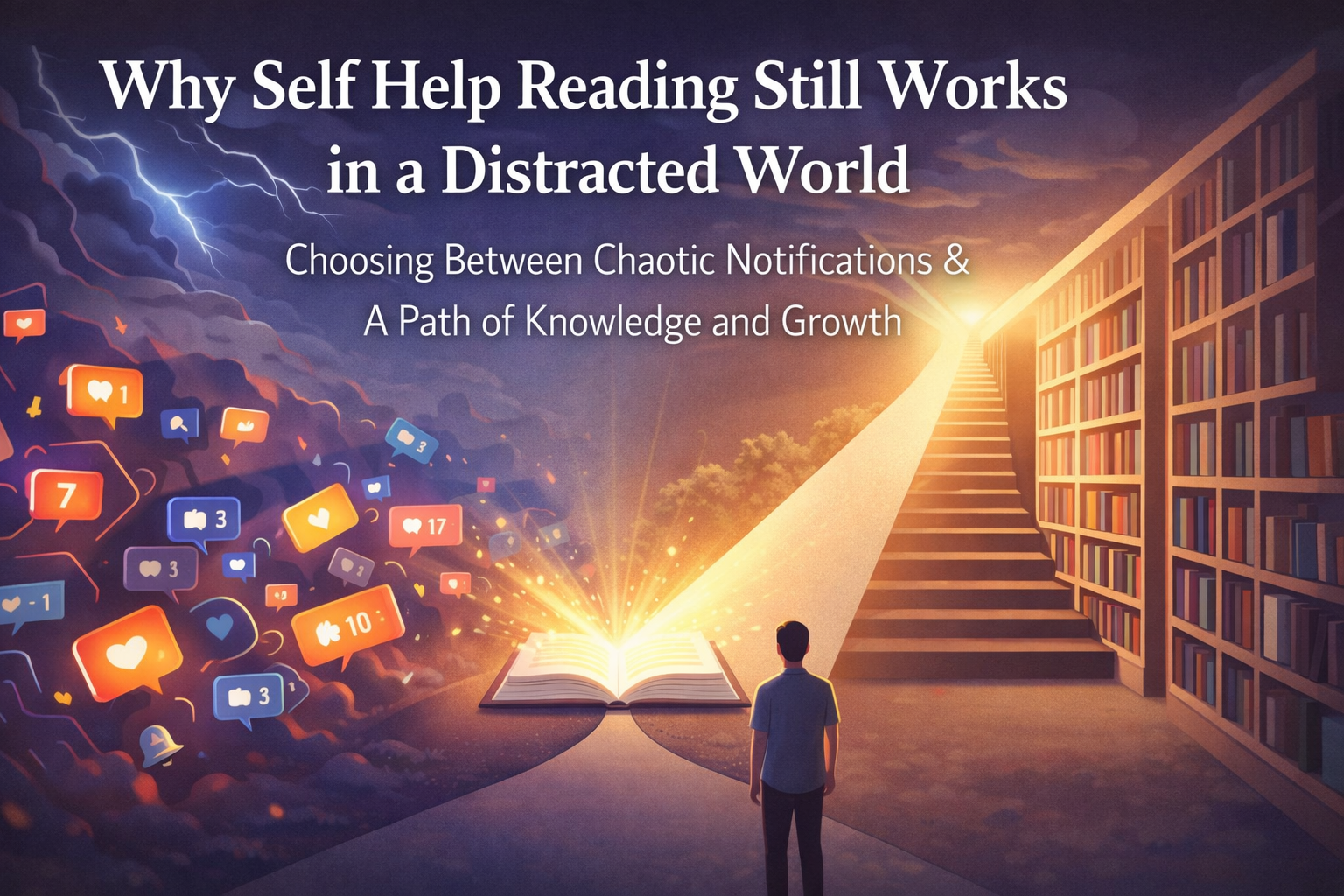
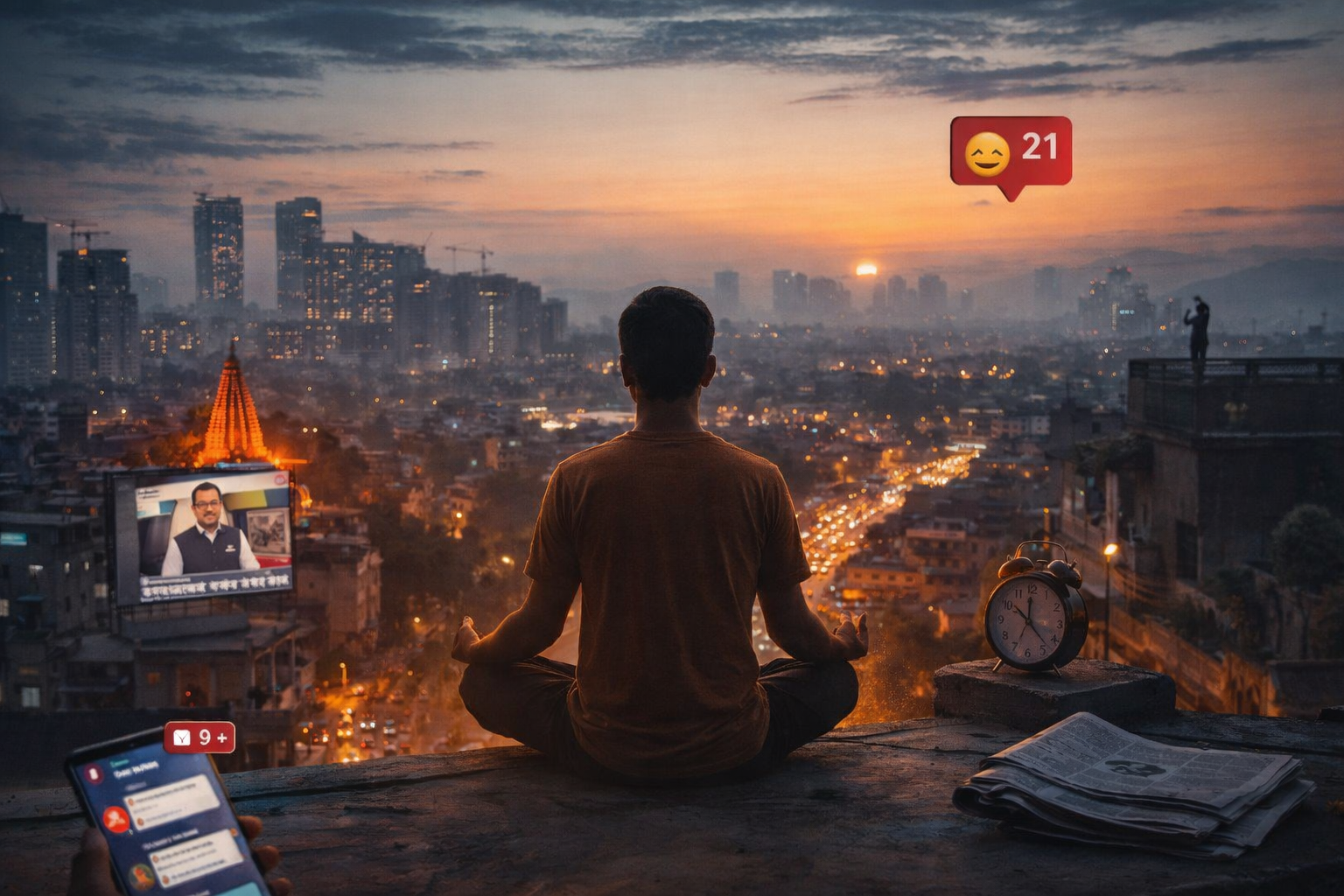
In a world where attention has become currency, distractions have become the most profitable industry on the planet. Every scroll, every notification, every short video, and every endless feed is designed to capture a fragment of your focus and hold it for just a little longer than you intended. What begins as a five minute break often stretches into an hour that disappears without memory, leaving behind a strange mixture of fatigue and dissatisfaction. At the same time, the dreams you once spoke about with excitement remain untouched, postponed for a day when you supposedly have more time, more clarity, or more confidence.
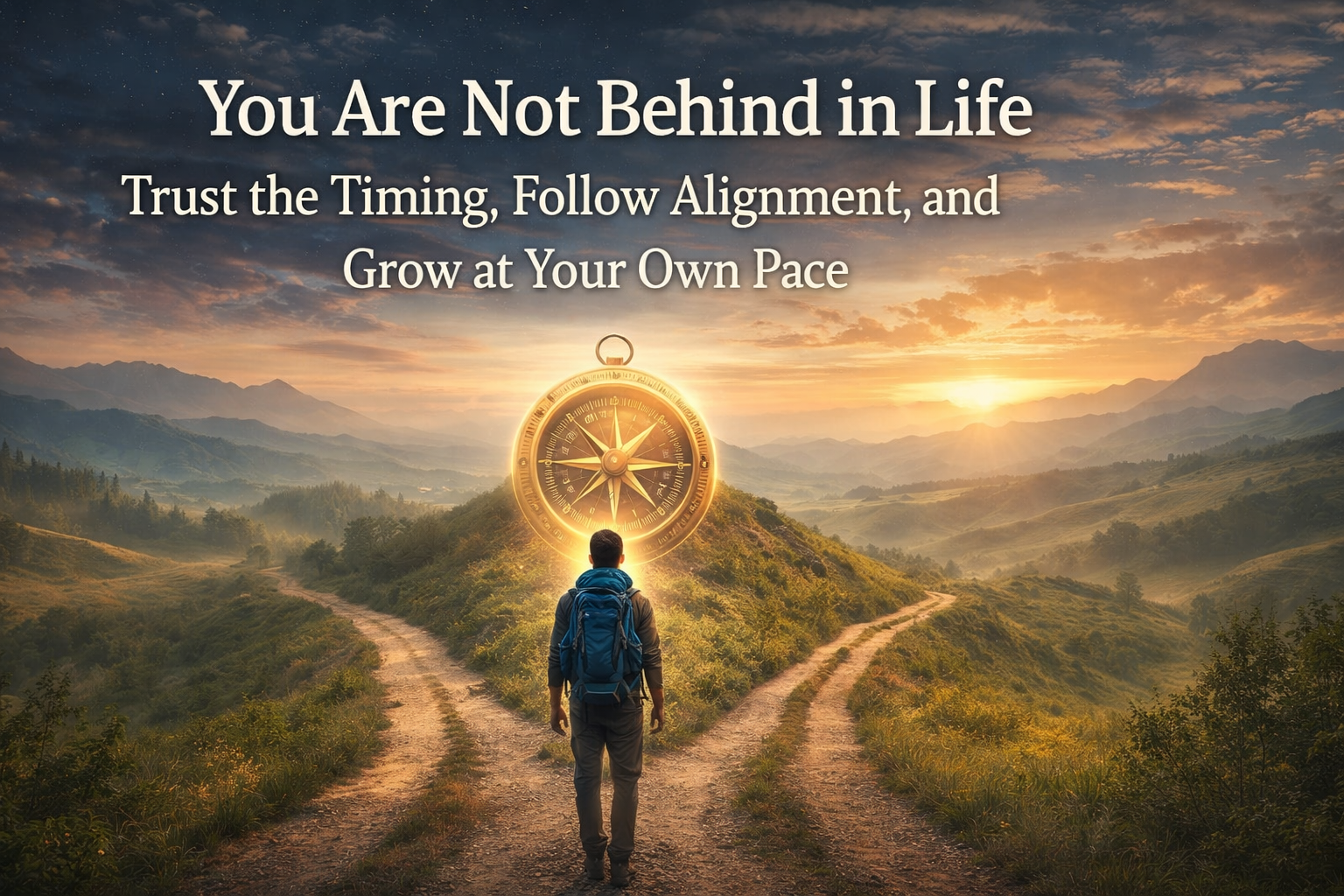
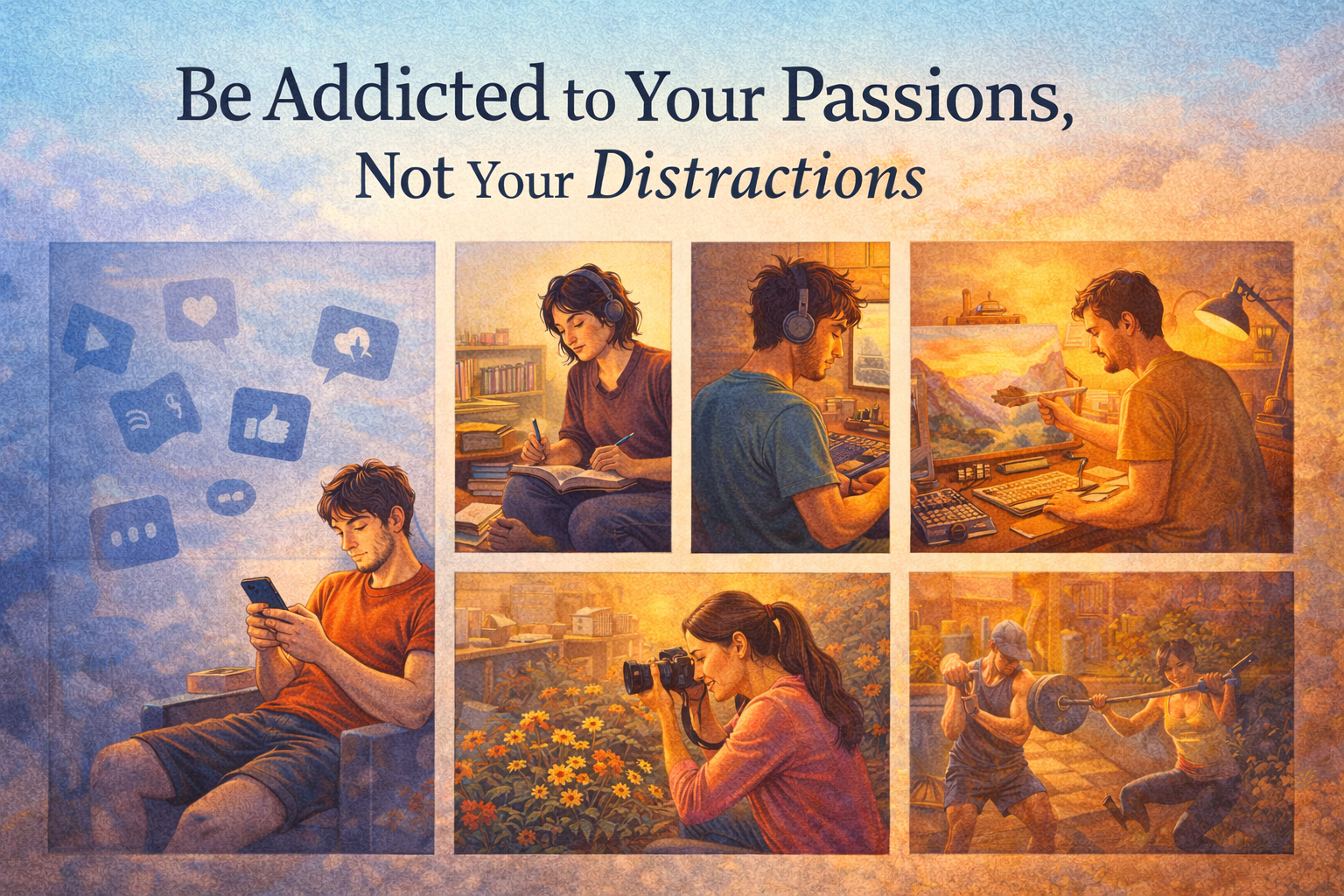
The difference between a fulfilling life and a frustrating one often comes down to a simple but powerful choice: becoming addicted to your passions instead of your distractions. This is not about extreme discipline or abandoning all forms of relaxation. It is about shifting the center of your energy from mindless consumption to meaningful creation, from short term comfort to long term growth, and from scattered effort to intentional focus.
This article explores how distractions quietly shape your life, why passion is the antidote to digital overload, and how you can build a lifestyle rooted in purpose, productivity, and personal growth.
The Hidden Cost of Modern Distractions
Why Distractions Feel Harmless but Become Dangerous
Distractions rarely appear threatening because they present themselves as harmless entertainment, social connection, or stress relief. Watching a few videos, checking social media, or browsing random content feels normal, and in moderation, it is. The problem begins when these small habits turn into automatic routines that dominate your free time and fragment your ability to concentrate deeply.
Digital distractions work by offering instant gratification. They stimulate your brain with quick rewards that feel satisfying in the moment but do not contribute to skill development, emotional depth, or personal progress. Over time, your brain becomes accustomed to this rapid stimulation, making focused work and long term projects feel harder and less appealing.
When distractions become the default response to boredom, stress, or uncertainty, they slowly replace activities that once brought pride and progress. The hours are gone, and so is the energy that could have been invested in something meaningful.
The Attention Economy and Your Mental Energy
The modern economy thrives on attention. Platforms compete aggressively for your focus because the longer you stay engaged, the more profitable you become. Algorithms are designed to learn your preferences, predict your behavior, and deliver content that keeps you scrolling.
This constant stimulation trains your brain to expect novelty at high speed. As a result, tasks that require sustained concentration such as writing, studying, building a business, learning a skill, or developing a creative project begin to feel unusually demanding.
The issue is not technology itself, but unstructured exposure to it. Without boundaries, distractions expand to fill every spare moment, leaving little room for reflection, innovation, or deep work.
What It Really Means to Be Addicted to Your Passion
Passion as Productive Obsession
When people hear the phrase “be addicted to your passion,” they sometimes imagine burnout or unhealthy obsession. In reality, healthy passion is not about losing balance. It is about channeling your energy into something that aligns with your values and long term vision.
Passion driven focus feels different from distraction driven engagement. Distractions drain your energy while giving little in return. Passion energizes you even when the work is challenging. It creates a sense of flow where time passes because you are deeply immersed, not because you are escaping reality.
Passion involves effort, patience, and repetition. It demands that you show up consistently, even when progress feels slow. Yet unlike distraction, passion leaves behind visible growth. You become more skilled, more confident, and more self aware.
The Psychological Benefits of Pursuing Passion
Developing a passion has measurable impact on mental well being and personal development. When you engage in meaningful work, you experience:
- Increased focus and discipline
- Stronger sense of identity
- Higher self confidence
- Greater resilience during challenges
- Deeper satisfaction from daily progress
Passion builds momentum. Each small improvement reinforces your belief that your time is being invested wisely. That belief strengthens your motivation, which strengthens your consistency.
Over time, your passion becomes part of your identity. Instead of saying you want to write, you become a writer. Instead of wanting to build, you become a builder. This identity shift is powerful because it changes how you approach your days.
Passion vs Distraction: A Long Term Comparison
Short Term Pleasure vs Long Term Fulfillment
Distractions provide short term pleasure. They require little effort and deliver instant stimulation. However, their effects fade quickly, often leaving behind a subtle sense of wasted time.
Passion provides long term fulfillment. It requires effort and focus, but it creates skills, results, and memories that accumulate value over time.
The difference may not be dramatic on a single day, but over months and years, the gap becomes obvious. One path leads to scattered attention and unrealized potential. The other leads to mastery, confidence, and purpose.
Busy Life vs Meaningful Life
A distraction driven lifestyle often feels busy. There is constant activity, constant consumption, constant reaction. Yet productivity remains low because attention is fragmented.
A passion driven lifestyle may look simpler from the outside, but it feels richer internally. There is clarity about priorities. There is direction in daily effort. There is satisfaction in measurable growth.
The key distinction lies in intentionality. Are you choosing your actions, or are your actions choosing you?
How to Reduce Distractions and Reclaim Focus
Build Awareness of Your Time Usage
The first step toward becoming addicted to your passion is awareness. Observe how you spend your time without judgment. Notice how often you reach for your phone without purpose. Notice how quickly boredom triggers scrolling.
Tracking your time for a few days can reveal surprising patterns. Many people underestimate how much attention is lost in small fragments throughout the day.
Awareness creates the foundation for change.
Create Structured Focus Blocks
Deep work does not happen by accident. It requires protected time. Setting aside dedicated focus blocks for your passion, even if they are short, creates consistency.
Start with manageable periods of focused effort. During this time, eliminate unnecessary digital interruptions. Place your phone away from your workspace. Turn off non essential notifications. Let your brain experience uninterrupted concentration.
Consistency matters more than intensity. Regular practice builds momentum.
Design an Environment That Supports Growth
Your surroundings influence your behavior more than you may realize. A cluttered environment filled with distractions encourages scattered thinking. A dedicated space for your passion encourages engagement.
If you are a writer, keep your notebook or laptop accessible and inviting. If you are learning a new skill, keep your tools visible and ready. Environmental cues act as silent reminders of your priorities.
Small adjustments in your physical space can significantly increase your ability to focus.
Rediscovering Forgotten Passions
Reconnecting with What Once Excited You
Many adults carry dormant passions from childhood or earlier stages of life. Drawing, music, coding, sports, storytelling, design, research, or entrepreneurship may have once sparked excitement but were abandoned due to responsibility or fear.
Revisiting these interests can reignite motivation. The familiarity reduces intimidation. The emotional connection makes discipline easier.
You do not need to pursue your passion for fame or financial gain. Pursue it because it feels meaningful. Growth begins with genuine interest.
Overcoming Fear and Self Doubt
One reason people default to distractions is fear. Passion requires vulnerability. It exposes your skills to evaluation. It demands effort without guaranteed reward.
Distraction protects you from failure because there is nothing at stake. Passion carries risk, but it also carries reward.
Accept that early progress may be slow. Accept that improvement requires repetition. Confidence grows from action, not from waiting.
Building Discipline Through Passion
Consistency Over Motivation
Motivation is temporary. Discipline is dependable. Waiting for inspiration often results in delay. Instead, focus on building routines that support your passion regardless of mood.
Even small daily progress compounds significantly over time. Thirty minutes of focused effort each day equals over one hundred eighty hours in a year. That amount of time, invested wisely, can transform your skill level and confidence.
Consistency builds identity. Identity strengthens discipline.
Balancing Entertainment and Growth
Choosing passion does not mean eliminating entertainment entirely. Leisure has value when it is intentional and restorative. The problem arises when entertainment becomes automatic and excessive.
Schedule your leisure consciously. Enjoy it fully. Then return to your priorities with clarity.
Balance creates sustainability.
The Long Term Impact of Choosing Passion
Stronger Self Identity
When you dedicate time to meaningful work, you begin to see yourself differently. You become someone who builds, creates, learns, and evolves. This internal shift affects how you handle challenges, relationships, and opportunities.
A strong sense of identity reduces comparison and external pressure because you are grounded in your own direction.
Reduced Regret and Greater Fulfillment
Regret often stems from inaction. It comes from knowing you had potential but did not invest in it. Passion driven living reduces regret because you are actively participating in your own growth.
Even if success looks different than expected, the journey itself becomes rewarding. You accumulate experience, resilience, and perspective that cannot be gained through passive consumption.
Practical Daily Habits to Stay Focused on Your Passion
- Start your day with a priority task related to your passion before engaging in digital consumption
- Limit non essential notifications and create boundaries around social media use
- Reflect weekly on your progress and adjust your approach if necessary
- Surround yourself with people who value growth and discipline
- Celebrate small milestones to maintain motivation
These habits may seem simple, but consistency transforms them into powerful systems that protect your attention and amplify your growth.
Conclusion: Design a Life Driven by Purpose, Not Distraction
The choice between passion and distraction is not a one time decision. It is a daily pattern shaped by small actions repeated consistently. Every moment presents an opportunity to invest in something that builds your future or to surrender time to something that merely fills the present.
Distractions promise comfort without growth. Passions offer growth through effort. One path leads to scattered attention and unrealized potential. The other leads to clarity, confidence, and fulfillment.
Becoming addicted to your passion does not require dramatic change. It begins with awareness, continues with discipline, and strengthens with consistency. When you choose to invest your energy in what truly matters, you transform not only your productivity but your entire identity.
Your time is limited. Your attention is valuable. Direct it toward something that builds your future rather than something that simply passes the time.