


Why This Window of Life Matters More Than We Realize
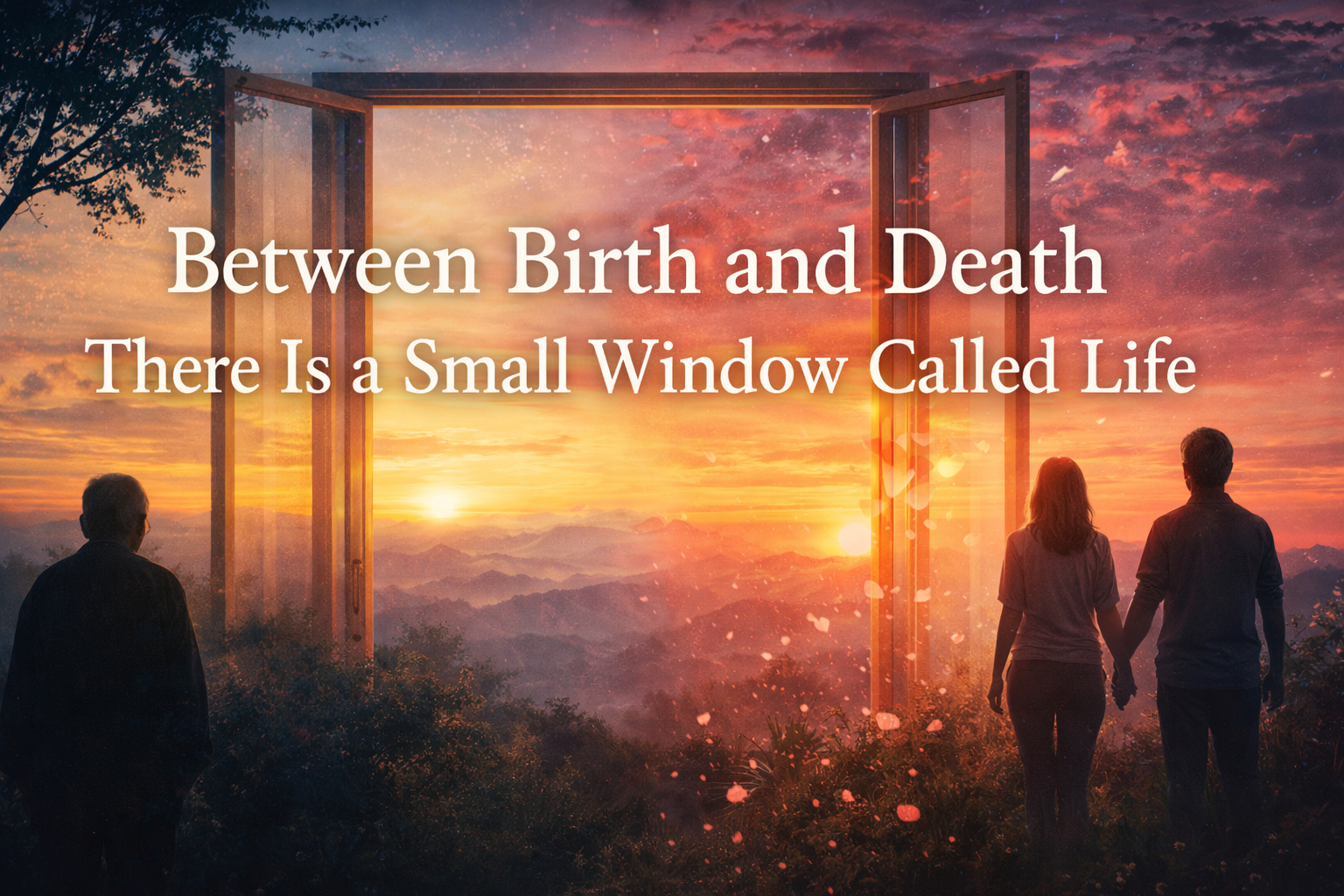
Life rarely announces its fragility in dramatic ways. Most days arrive wrapped in routine, familiarity, and a sense that tomorrow will look very similar to today. This illusion of continuity makes it easy to forget that existence moves forward without hesitation, whether we are paying attention or not. The idea that between birth and death lies a small window called life challenges that complacency and invites a deeper reflection on how time is spent, how choices are made, and how meaning is created.
This perspective does not attempt to frighten anyone into urgency. Instead, it gently reminds that life is not an endless resource. Every moment carries value simply because it cannot be repeated in the same way again. When people recognize this, priorities begin to shift naturally. The pursuit of status starts to feel less important than the quality of relationships, the depth of experiences, and the sincerity of one’s character.
Understanding life as a limited window also reshapes how individuals view failure, disappointment, and success. Mistakes become lessons rather than permanent labels, setbacks appear as part of the journey rather than evidence of inadequacy, and achievements are appreciated for the effort behind them rather than the applause they generate. This shift in perception makes living feel more intentional and less reactive.
The Illusion of Endless Time and How It Shapes Behavior
Many people live as if time stretches infinitely ahead, even though they intellectually know it does not. This contradiction explains why meaningful conversations are postponed, dreams are delayed, and appreciation is withheld until it feels too late. The mind understands impermanence, yet the heart behaves as if permanence exists.
This illusion affects everyday behavior in subtle ways. People overwork themselves believing they will rest later, neglect health assuming they can recover eventually, and avoid difficult conversations hoping circumstances will resolve themselves. The problem is not laziness or ignorance, but the deeply ingrained assumption that there will always be another chance.
When life is framed as a small window instead, urgency transforms into clarity. Instead of rushing frantically, individuals become more selective about where they invest energy. They choose presence over distraction, depth over speed, and connection over convenience. Time does not expand, but awareness of its limits makes it feel more meaningful.
Happiness as Alignment Rather Than Accumulation
The message encourages being happy, but not in a superficial or forced manner. Happiness here is not about constant excitement, external validation, or material success. It is about alignment between values, actions, and inner truth. Many people chase happiness through achievements, possessions, or approval, only to discover that these provide temporary satisfaction rather than lasting fulfillment.
True happiness grows when individuals reduce internal conflict. This involves letting go of unrealistic expectations, accepting personal limitations, and embracing authenticity. When someone stops pretending to be perfect or endlessly capable, a sense of relief emerges that no external reward can replicate.
Emotional balance also plays a crucial role in happiness. Carrying resentment, envy, or unresolved anger consumes mental energy that could be used for creativity, connection, and growth. Letting go of these burdens does not mean forgetting past pain, but refusing to let it dominate the present. In this way, happiness becomes a state of being rather than a destination to be reached.
Lifting Others Up Without Losing Yourself
The idea of lifting others up is often misunderstood as sacrificing personal well being for the sake of others. In reality, genuine support does not require self-neglect. It begins with intention, empathy, and awareness of how one’s actions impact those around them.
Small gestures often matter more than grand displays. A patient response during conflict, a kind word during someone’s difficult day, or simply listening without judgment can create a meaningful difference. These acts do not drain energy when they come from sincerity rather than obligation.
Supporting others also involves recognizing boundaries. Helping someone does not mean solving all their problems or carrying their responsibilities. It means offering presence, understanding, and encouragement while respecting both their autonomy and your own limits. This balanced approach strengthens relationships rather than creating dependency or resentment.
Easing the Weight on Others in a Demanding World
Modern life places immense pressure on individuals to perform, compete, and prove their worth continuously. Many people already feel overwhelmed by expectations imposed by society, workplaces, and even their own minds. Easing the weight on others means choosing not to add unnecessary stress through criticism, impatience, or indifference.
This can be practiced in everyday interactions. At work, it might involve offering constructive feedback instead of harsh judgment. In families, it may mean expressing appreciation rather than focusing solely on shortcomings. Even with strangers, simple courtesy can lighten emotional burdens that are often invisible.
Kindness in this context becomes an act of strength rather than weakness. It resists the culture of constant comparison and competition by prioritizing human dignity over productivity. When people feel supported rather than judged, they are more likely to act with compassion toward others, creating a ripple effect of positive behavior.
Living Each Moment Fully Beyond Distraction and Busyness
Living fully does not require abandoning routine or chasing extraordinary experiences. It involves bringing awareness to what is already happening. Presence transforms ordinary moments into meaningful ones when individuals pay attention rather than operate on autopilot.
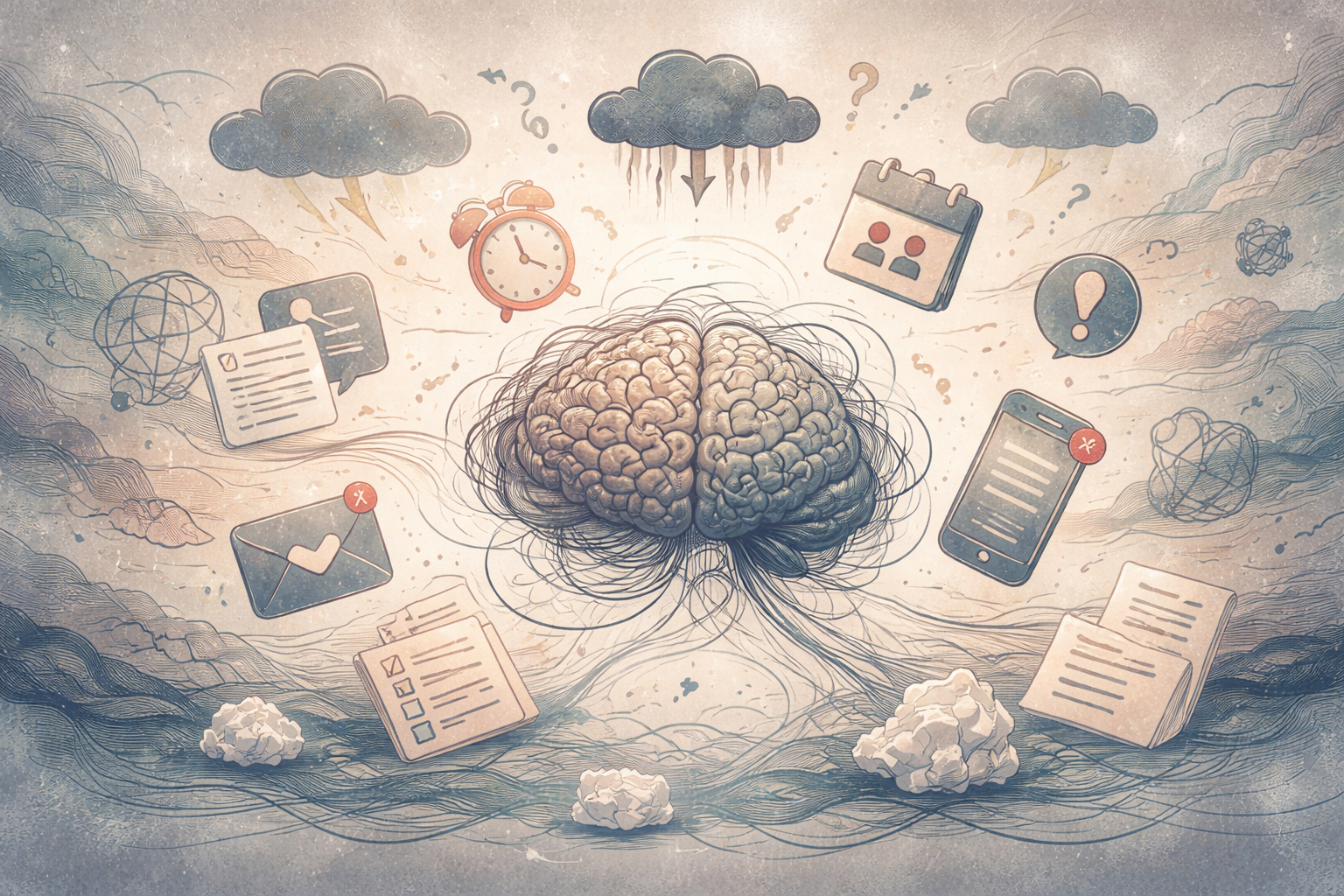
Many people spend their days mentally elsewhere, replaying past mistakes or worrying about future uncertainties. This constant mental movement creates anxiety and prevents genuine engagement with the present. Learning to remain grounded requires patience, but it rewards individuals with clarity, calm, and deeper appreciation for life.
Mindful presence can be practiced through simple habits such as listening attentively, observing surroundings without judgment, and allowing emotions to be felt rather than suppressed. Over time, this creates a richer experience of life that does not depend on external stimulation.
Regret, Reflection, and the Lessons of Time
Regret rarely stems from failure alone. It often arises from neglecting what truly mattered while prioritizing what seemed urgent at the time. Relationships left unattended, passions postponed indefinitely, and health ignored until it demanded attention all contribute to a sense of missed opportunity.
Viewing life as a small window encourages reflection before regret becomes inevitable. It prompts individuals to ask important questions such as whether they are nurturing meaningful connections, pursuing fulfilling work, and taking care of their physical and emotional well being.
This reflection does not demand perfection. It simply invites honesty. When people recognize misalignment between their values and actions, they gain the opportunity to course correct while time still allows it.
Wisdom as the Art of Living Well Within Limits
Wisdom in this context is not about intellectual superiority or possessing all answers. It is about knowing how to navigate uncertainty with integrity, patience, and awareness. It involves making thoughtful choices that align with personal values rather than external pressure.
Living wisely means recognizing when to act and when to pause, when to speak and when to listen, and when to let go rather than hold on. It is a continuous process of learning rather than a fixed state of perfection.
This approach to life emphasizes balance. It values ambition without sacrificing well being, compassion without losing self respect, and growth without constant self criticism. Wisdom makes life feel purposeful rather than chaotic.
Practical Ways to Live Within This Window of Life
Applying this message to daily life does not require dramatic change. Small, consistent choices gradually shape a meaningful existence. Some individuals may simplify commitments to create space for what truly matters, while others may take long postponed risks that align with their passions.
Paying attention to what drains energy and what restores it helps create a healthier balance. Setting boundaries, nurturing relationships, and prioritizing mental and physical health contribute to a more fulfilling life.
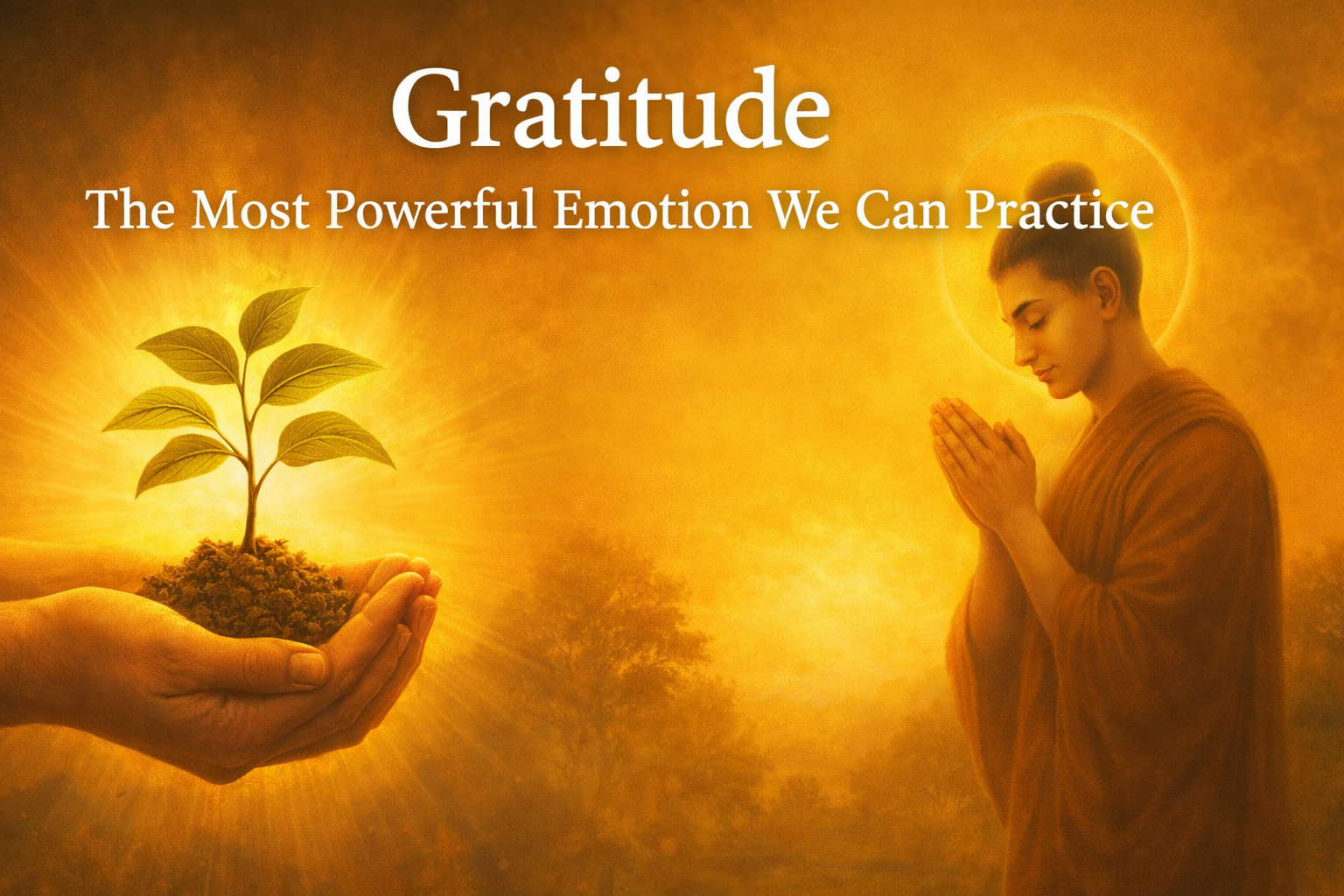
Practicing gratitude, empathy, and presence strengthens emotional resilience. Over time, these habits create a life that feels lived rather than endured, rich with connection rather than filled with emptiness.
Conclusion: Stepping Through the Window With Awareness
Between birth and death lies a life that can be approached mechanically or mindfully. The difference does not depend on circumstances, but on awareness. Choosing to live with intention deepens experience, strengthens relationships, and creates meaning that extends beyond individual achievement.
The small window of life may not remain open forever, but while it does, it offers countless opportunities to grow, love, and contribute. What ultimately matters is not how long that window stays open, but how fully one steps into it with compassion, presence, and authenticity.